

Category: Medicine
Medicine
Latest


Wearable Technologies in Healthcare: Applications, Benefits, Limitations and Future Direction
This paper examines the benefits, limitations and future direction of wearable technologies for monitoring and detecting respiratory diseases, diabetes and metabolic conditions, cancer, and dermatological and skin conditions.
Read More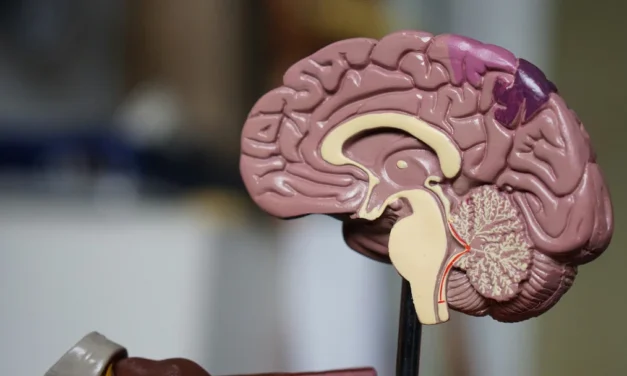
How Effective Is the Use of FGFR3 Inhibitors in Treating Glioblastomas and Gliomas?
Glioblastomas and other gliomas are aggressive brain tumours that often return after standard treatment. A small number contain changes in the fibroblast growth factor receptor 3 (FGFR3), which may provide a target for treatment. This review examines the effectiveness of four FGFR inhibitors: infigratinib, erdafitinib, dabogratinib and pemigatinib.
Read More
Precision Medicine: Personalising the Future of Healthcare
This paper discusses the current state of precision medicine, explaining how it is utilised in cancer treatment (e.g., HER2- and EGFR-targeted drugs), in breaking down types of diabetes that arise from single or multiple genes, in rare brain diseases where a single patient receives a custom therapy such as milasen for Batten disease, and in pharmacogenomics.
Read More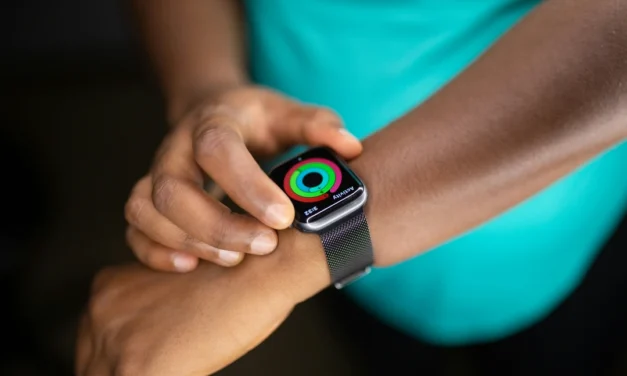
Wearable Technologies for Continuous Health Monitoring and Early Disease Detection
Healthcare is increasingly shifting from episodic, reactive care towards continuous, preventive and personalised monitoring. This paper reviews the role of wearable technologies in supporting this transition, with particular attention to continuous health monitoring and early disease detection.
Read More
To What Extent Does Personalisation in the Delivery of Viral Vector-Mediated Gene Therapy Impact Its Effectiveness in Different Hereditary Diseases?
Gene therapy works differently depending on which virus is used to deliver it and how that virus is given to the patient. This paper looks at four genetic diseases – hemophilia B, spinal muscular atrophy, leber congenital amaurosis and Rett syndrome – to evaluate how these two factors affect treatment outcomes.
Read More