Abstract
Glioblastomas and other gliomas are aggressive brain tumours that often return after standard treatment. A small number contain changes in the fibroblast growth factor receptor 3 (FGFR3), especially the FGFR3-TACC3 fusion, which may provide a target for treatment. This review examines the effectiveness of four FGFR inhibitors: infigratinib, erdafitinib, dabogratinib and pemigatinib. Evidence was collected from PubMed, Google Scholar, ClinicalTrials.gov, the National Cancer Institute, MedlinePlus and published clinical studies. The drugs were compared using tumour response, progression-free survival, side effects and study limitations. The results suggest that FGFR inhibitors can benefit some patients, but the evidence is still limited. Infigratinib had a low overall response rate, although a few patients had disease control for longer than one year. Erdafitinib produced responses in a small proportion of patients with high-grade glioma. Pemigatinib had the strongest response signal, with three responses among 13 patients with central nervous system tumours, but the group was very small. Dabogratinib is more selective for FGFR3, but no published glioma or glioblastoma response group was identified. Common side effects across the drugs included raised phosphate levels, mouth inflammation, diarrhea, skin and nail changes, and eye problems. The studies were small, used different patient groups and did not directly compare the drugs. Overall, FGFR inhibitors are not established treatments for glioblastoma, but they may help a carefully selected subgroup whose tumours contain specific activating FGFR changes. Larger glioma-specific trials are needed to confirm which patients are most likely to respond and how long the benefits last. The findings also show why response rates should not be compared without considering study size and patient selection. Safety monitoring remains necessary because FGFR inhibition can affect normal pathways as well as tumour signalling.
Introduction
Glioblastomas and other gliomas are aggressive brain tumours that remain difficult to treat due to tumour heterogeneity, recurrence and limited treatment options. Glioblastoma is the most aggressive common adult glioma, and its cells can metastasise into nearby brain tissue. Although surgery, radiotherapy and chemotherapy can improve outcomes, many patients eventually experience tumour progression. Advances in molecular research have identified fibroblast growth factor receptor 3 (FGFR3) alterations, particularly the FGFR3-TACC3 fusion, as potential therapeutic targets in a subset of gliomas (Di Stefano et al., 2015). FGFR3 inhibitors block abnormal signalling pathways involved in tumour growth and survival, offering a possible precision-medicine approach. However, their effectiveness in glioblastomas and gliomas remains uncertain, with clinical studies showing variable responses. This research investigates FGFR3 inhibitors by examining tumour responses, progression-free survival, overall survival and related treatments, while considering important limitations such as drug resistance, small patient groups and drug delivery to brain tumours.
These difficulties make the research question narrower than it may first appear. This review is not asking whether every person with a glioma should receive a FGFR inhibitor; it is asking whether these drugs show useful activity in the smaller group whose tumours contain a relevant FGFR change. This distinction is central to precision medicine: a treatment may appear weak across a broad group but still matter for patients with a particular molecular feature. Even then, identifying a target is only the first step. Clinical evidence must still show that blocking the target produces a response that lasts and that the side effects remain manageable (Di Stefano et al., 2015; Lassman et al., 2022).
The FGFR3-TACC3 fusion joins parts of two genes and can keep growth signalling active. This makes it a possible treatment target, but the fusion is uncommon and is not present in most glioblastomas. It is also important to separate true activating FGFR changes from broader FGFR alterations because they may not respond to treatment in the same way. For this reason, the exact genetic change in each tumour is considered when comparing the four inhibitors. Tumour response refers to a measurable reduction in tumour size, while progression-free survival measures how long a patient lives without the disease getting worse. Both measures are helpful, but they do not by themselves show whether patients live longer or feel better.
These definitions are important because different study outcomes answer different questions. A reduction in tumour size can show that a drug has biological activity, while stable disease can still be meaningful when an aggressive tumour would otherwise be expected to worsen. Progression-free survival adds a time element by showing how long control lasts. Overall survival and quality of life address wider patient outcomes, but the reviewed studies did not always provide enough comparable information on these measures. For that reason, this manuscript considers several outcomes together instead of treating one response percentage as a complete measure of effectiveness (Lassman et al., 2022; Spanggaard et al., 2025).
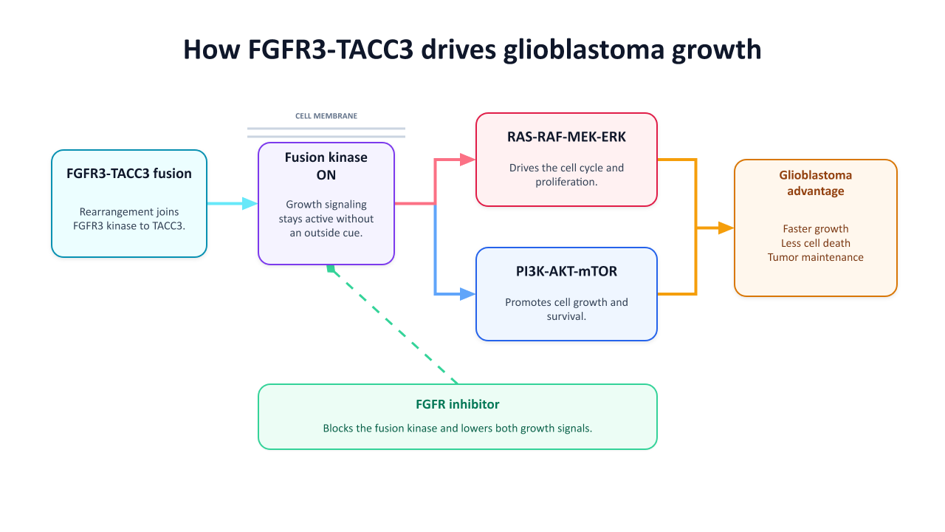
Figure 1. Simplified FGFR3-TACC3 signalling pathway in glioblastoma. Adapted from Di Stefano et al. (2015) and Du et al. (2023).
Infigratinib (TRUSELTIQ)
Infigratinib, or BGJ398, is an FGFR-specific tyrosine kinase inhibitor (Kang, 2021) that selectively targets FGFR1-3 (Botrus et al., 2021). It is an oral medication in capsule form and is taken once daily in its approved dosing schedule (MedlinePlus, 2024). It received FDA accelerated approval in 2021 to treat cholangiocarcinoma with an FGFR2 fusion or rearrangement (Kang, 2021). That approval was later withdrawn in 2024 after the sponsor cited difficulty enrolling the required confirmatory trial and commercial reasons (FDA, 2024b). The drug still remains relevant to this review because it targets FGFR3. Side effects can include diarrhea, nausea, constipation, reduced appetite, mouth sores, dry skin, nail changes, hair loss, headache and fatigue (MedlinePlus, 2024). The list is summarised here because the glioma-specific frequencies are compared in Table 1.
Its earlier approval in a different cancer provides information about the drug, but it does not by itself show that infigratinib works in a brain tumour. Gliomas have a different disease setting, and the relevant molecular alteration may also differ. The most useful evidence for this review therefore comes from the recurrent-glioma phase II study rather than from the cholangiocarcinoma approval. The broader drug information remains helpful for understanding how infigratinib is taken and which side effects need monitoring (Kang, 2021; MedlinePlus, 2024; Lassman et al., 2022).
In a phase II study of 26 patients with recurrent FGFR-altered gliomas, including 19 patients with glioblastoma, infigratinib had an objective response rate of 3.8%. The six-month progression-free survival rate was 16.0%, and median progression-free survival was 1.7 months. However, four patients had disease control lasting longer than one year. These longer periods of control occurred in tumours with specific activating FGFR1 or FGFR3 mutations, or an FGFR3-TACC3 fusion (Lassman et al., 2022). This means infigratinib did not work well for most patients, but it may have helped a small group with particular FGFR changes. The trial was single-arm, meaning that every participant received infigratinib and there was no comparison group receiving another treatment. This limits how confidently the results can be compared with standard care.
The contrast between the overall results and the few long periods of disease control is important. The 3.8% objective response rate shows that measurable tumour shrinkage was uncommon in the full study group. However, the four patients with control lasting longer than one year suggest that the broad group may have contained smaller molecular groups with different levels of sensitivity.
This does not prove that a particular mutation or fusion guarantees benefit, but it supports using more precise molecular selection in future trials. The absence of a control group and the small sample mean that this signal should remain a hypothesis rather than a firm treatment rule (Lassman et al., 2022).
Erdafitinib (BALVERSA)
Erdafitinib is a tyrosine kinase inhibitor and pan-FGFR inhibitor (Tabernero et al., 2016). It is primarily used to treat patients with urothelial cancer and eligible FGFR3 changes after earlier treatment (National Cancer Institute, 2026; FDA, 2024a). It is administered orally in tablet form once per day (MedlinePlus, 2026). It can cause side effects similar to those of infigratinib, including reduced appetite, abdominal pain, dry skin, nail changes and diarrhea. More serious concerns include eye problems and changes to the skin on the palms and soles, so patients require monitoring (MedlinePlus, 2026). In the clinical trial reported by Loriot et al. (2019), hyperphosphatemia affected more than 70% of patients receiving erdafitinib.
The erdafitinib evidence also shows why effectiveness and safety must be considered together. A pan-FGFR inhibitor can act on the intended abnormal pathway, but it can also affect normal FGFR activity. Raised phosphate levels and changes involving the mouth, skin, nails and eyes can therefore influence whether treatment can continue at the planned dose. Monitoring and dose adjustment are part of judging whether a treatment is practical, not separate from the question of whether it works (Loriot et al., 2019; MedlinePlus, 2026; FDA, 2024a).
The RAGNAR study included patients with different advanced tumours containing FGFR alterations. In the updated high-grade glioma group, three of 30 patients had an objective response, giving a response rate of 10.0% (Carranza et al., 2026). Earlier research also showed that erdafitinib could inhibit FGFR3-TACC3-positive glioma models and produced stable disease or a minor response in two treated patients (Di Stefano et al., 2015). These results support further study, but the response rate was modest and the trial did not compare erdafitinib directly with standard treatment. Its broader activity across several FGFR proteins also means that side effects must be considered alongside tumour response. A drug can reduce tumour size in some patients but still require dose interruptions or reductions if side effects become difficult to manage.
The 10.0% response rate provides direct evidence of activity in a high-grade glioma subgroup, but it remains a modest result. RAGNAR was a basket study, meaning that it evaluated several tumour types linked by FGFR alterations. That design is useful for rare molecular groups because it allows evidence to be gathered across cancers, but it also makes the glioma subgroup only one part of a wider study. The updated subgroup result is therefore more relevant than the overall basket response, while still requiring confirmation in a larger glioma-focused comparison (Carranza et al., 2026).
Dabogratinib (TYRA-300)
Dabogratinib is a potent and selective oral FGFR3 tyrosine kinase inhibitor. It mainly targets FGFR3 and has less activity against FGFR1, FGFR2 and FGFR4. This may reduce some effects linked to less selective FGFR inhibitors, although clinical evidence is still limited. It is relevant to gliomas because alterations in FGFR3, including FGFR3-TACC3 fusions, can contribute to tumour growth and survival. By inhibiting FGFR3 signalling, dabogratinib may block pathways that support tumour growth. Preclinical studies have shown reduced FGFR3-related signalling and inhibited tumour growth in models with activating FGFR3 alterations (Starrett et al., 2026).
Selectivity gives dabogratinib a clear scientific reason for inclusion in this review, but selectivity should not be confused with proven clinical effectiveness. A drug can be designed to fit FGFR3 closely and can block FGFR3-driven growth in a model, yet still face unanswered questions when used in patients with brain tumours. The current evidence supports the description of dabogratinib as a targeted candidate. It does not support a response-rate comparison with infigratinib, erdafitinib or pemigatinib because no glioma response group is available (Starrett et al., 2026).
However, these studies cannot yet be used to determine how effective dabogratinib is against gliomas or glioblastomas. Current clinical trials are focused on other FGFR3-altered conditions. Dabogratinib is therefore a promising FGFR3 inhibitor based on its selectivity and activity against FGFR3-altered tumours. Further research is needed to determine whether these effects can also be achieved in gliomas. This is especially important because the presence of an FGFR3 alteration does not necessarily mean that a tumour will respond to an FGFR3 inhibitor. No published glioma or glioblastoma response group was identified for dabogratinib in this review.
A future trial would also need to show that the drug can reach an effective level in brain tumour tissue, rather than relying only on results from tumours elsewhere in the body.
The evidence gap is therefore both clinical and disease-specific. Results from bladder cancer models or early non-central nervous system patients can show that the drug reaches and affects FGFR3-altered tumours somewhere in the body. They do not show that the same exposure, response or safety pattern will occur in glioma tissue. Until a glioma or glioblastoma group is reported, the fairest conclusion is that dabogratinib has a relevant mechanism but unknown effectiveness for the question asked in this review (Starrett et al., 2026; Tyra Biosciences, 2024).
Pemigatinib
Pemigatinib is an oral FGFR1-3 inhibitor that blocks signalling pathways involved in cell growth and survival. Its ability to inhibit FGFR3 makes it relevant to gliomas containing FGFR alterations, particularly FGFR3-TACC3 fusions. Initial findings came from the phase II FIGHT-207 trial, which included 13 patients with central nervous system tumours, ten of whom had glioblastoma. Three patients achieved a measurable response, including one complete response and two partial responses. Furthermore, the complete response occurred in a patient with glioblastoma containing an FGFR3-TACC3 fusion and lasted 15.9 months (Spanggaard et al., 2025). Two additional patients with FGFR3-TACC3 fusions experienced tumour stability, although their progression-free survival was relatively short. These findings provided an early indication that pemigatinib could have activity against some FGFR-altered central nervous system tumours.
The complete response is especially notable because it shows that a major and lasting response is possible in at least one FGFR3-TACC3-positive glioblastoma. At the same time, a single strong outcome should not be treated as the typical outcome for all patients. The two partial responses and the cases of tumour stability add to the activity signal, but the subgroup remains small and mixed. The result is best understood as evidence that pemigatinib can work in selected central nervous system tumours, not evidence that it will work consistently across glioblastomas (Spanggaard et al., 2025).
The response rate in this small central nervous system group was 23%, which was the strongest signal among the four drugs reviewed. However, the group contained only 13 patients and was not made up only of glioblastoma patients. All 13 patients experienced at least one treatment-emergent adverse event, and hyperphosphatemia was common. Mouth inflammation, nail changes and retinal effects were also reported in the wider study (Rodón et al., 2024; Spanggaard et al., 2025). The results are encouraging, but they need to be confirmed in a larger glioma-specific trial. The complete and partial responses are important because they show that pemigatinib can work in some brain tumours. However, the sample was so small that one or two patients could greatly change the percentage. The 23% result should therefore be seen as an early finding, not a final answer.
The size of the subgroup explains why the 23% figure needs careful wording. With only 13 patients, each individual outcome has a large effect on the percentage. The group also included central nervous system tumours other than glioblastoma, so the number is not a glioblastoma-only response rate. Safety matters for the same reason: every participant reported at least one treatment-emergent adverse event, and many required interruption or reduction as shown in Table 1. The finding is encouraging, but its uncertainty should remain visible whenever the percentage is discussed (Rodón et al., 2024; Spanggaard et al., 2025).
Development of Selective FGFR3 Inhibitors
The development of FGFR inhibitors has evolved from broad inhibition of FGFR to aiming for greater selectivity (He et al., 2026). Although infigratinib, erdafitinib and pemigatinib have demonstrated some activity in patients with FGFR-altered gliomas, the overall outcome has remained limited. As these inhibitors can target multiple FGFRs, they may also cause side effects due to the inhibition of other receptors.
Dabogratinib (TYRA-300) is one of the recently developed inhibitors. It mainly targets FGFR3 and has less activity against FGFR1, FGFR2 and FGFR4. Preclinical studies have shown activity against several FGFR3 mutations and fusions, including alterations that may contribute to treatment resistance (Starrett et al., 2026). Its clinical development is ongoing, with current trials focusing on its effectiveness and safety in FGFR3-altered cancers. However, unlike the earlier pan-FGFR inhibitors, its development represents a move toward directly targeting FGFR3, although its clinical effectiveness in gliomas remains to be determined.
The development of direct FGFR3 inhibitors is significant as it may enable a more precise treatment for the alteration present. However, further research is needed to determine which FGFR3 alterations are highly related to treatment sensitivity and whether increased selectivity of these inhibitors can lead to improved clinical outcomes while reducing some of the side effects associated with broader FGFR inhibition.
This shift toward selectivity creates a testable expectation rather than a guaranteed advantage. If a drug mainly inhibits FGFR3, researchers can ask whether it maintains activity against the tumour alteration while reducing effects caused by broader FGFR inhibition. Answering that question requires clinical data collected in the relevant patients, including clear reporting of dose changes, treatment interruptions, tumour response and how long any benefit lasts. For glioma, the evidence must also show that the drug performs in the brain-tumour setting. Until then, greater selectivity is a design feature, not proof of greater effectiveness (Du et al., 2023; He et al., 2026).
Methodology
This structured literature review investigated the effectiveness of FGFR3 inhibitors in glioblastomas and other gliomas. It focused on infigratinib, erdafitinib, dabogratinib and pemigatinib.
The review question was kept focused so that the four drugs could be examined using the same main ideas. For each inhibitor, the review considered: what the drug targets; what type of patient population was studied; whether the evidence came from a laboratory model or a clinical trial; what tumour response was reported; and what side effects or study limitations affected interpretation. This approach allowed evidence of different strengths to be placed in context without treating laboratory results, early company data and published clinical outcomes as if they were equally certain.
Information was collected using scientific and medical sources including PubMed, Google Scholar, ClinicalTrials.gov, the National Cancer Institute and MedlinePlus. PubMed Advanced Search was used to combine terms with Boolean operators. One main search was ((FGFR3 inhibition OR FGFR3-TACC3) AND (glioma OR glioblastoma)). Other searches included terms such as FGFR3 inhibitors, FGFR3 glioma, FGFR3-TACC3 glioblastoma and the names of the four inhibitors. Clinical trials and peer-reviewed studies were prioritised when examining treatment effectiveness.
Using several databases helped reduce the chance that the review would depend on only one type of source. Journal databases were useful for finding peer-reviewed studies, ClinicalTrials.gov helped identify clinical development and government health sources provided background information about drug use and safety. Searches by both drug name and molecular alteration were necessary because some studies were organised around a medicine, while others were organised around FGFR changes across several tumour types. The same search approach was applied to each inhibitor so that the comparison remained as consistent as possible.
Studies were included if they investigated FGFR inhibitors, FGFR3 alterations or FGFR3-TACC3 fusions relevant to gliomas. Studies focusing only on unrelated cancers were excluded from the analysis of treatment effectiveness but could be used for background information about the drugs and their side effects. Laboratory studies and company-reported early results were treated as weaker evidence than published clinical results.
The inclusion and exclusion decisions were especially important for dabogratinib. Evidence from a non-brain tumour can explain how a drug acts and can identify early safety signals, but it cannot establish that the drug is effective in a glioma. The review therefore separated biological rationale from direct clinical evidence. Published patient results were given the greatest weight for effectiveness, while preclinical and company-reported information was used cautiously to describe why further study may be reasonable. This prevents early promise from being presented as confirmed patient benefit.
The four inhibitors were compared using tumour response, progression-free survival, overall survival, side effects and treatment limitations. Particular attention was given to patients with FGFR3-TACC3 fusions because these tumours may be more responsive to FGFR-targeted treatment. Limitations such as drug resistance, drug delivery to brain tumours, small patient groups and different study designs were also considered when evaluating overall effectiveness.
The comparison was descriptive rather than statistical. The studies were too different in size, tumour type, prior treatment, molecular eligibility and response assessment to support a reliable head-to-head calculation. A higher percentage in one small subgroup may reflect patient selection as well as drug activity. The review therefore examined the direction and duration of the responses, the exact FGFR alteration, the number of patients contributing to each result and the safety information reported alongside it. This method supports a cautious answer to the research question without claiming that one trial proves superiority over another.
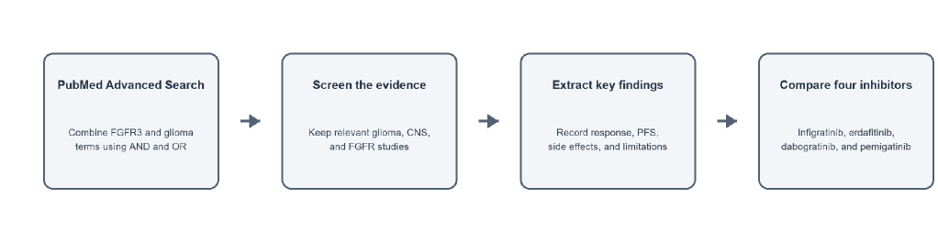
Figure 2. Overview of the literature search and comparison process used in this review.
Results: Side-Effect Profiles
| Inhibitor |
Evidence population |
Common and important adverse effects |
Grade 3+ / management signal |
Source (author, year) |
|---|---|---|---|---|
| Infigratinib | Recurrent FGFR-altered gliomas; n=26 (19 GBM). Glioma-specific safety set. | Treatment-related: hyperphosphatemia 76.9%, fatigue 26.9%, diarrhea 19.2%, hyperlipasemia 15.4%, stomatitis and dry skin 15.4% each; alopecia, appetite loss, dyspepsia, onycholysis and PPE each 11.5%. | Grade 3 treatment-related AEs in 26.9%; no grade 4-5 treatment-related toxicity. Hyperphosphataemia required phosphate-lowering treatment in 84.6%, with dose reduction/interruption in 19.2%. | Lassman et al. (2022) |
| Erdafitinib | RAGNAR advanced solid tumours; n=217, including 30 high-grade gliomas. Safety percentages are mainly pooled, not glioma-specific. | Treatment-emergent: hyperphosphatemia 71%, stomatitis 54%, diarrhea 50%, dry mouth 48%, dry skin 35% and PPE 34%. Central serous retinopathy occurred in 14%. | Most common grade 3+ treatment-related AEs: stomatitis 12%, PPE 6%, hyperphosphataemia 5%. Ocular monitoring is important; retinal events may require interruption/reduction. | Pant et al. (2023) |
| Dabogratinib | Early SURF301 dose-escalation safety set; n=41, predominantly metastatic urothelial cancer; no glioma/GBM cohort reported. | Preliminary treatment-related AEs: ALT increase 24%, diarrhea 22%, dry mouth 22%, AST increase 20%, dry skin 15% and fatigue 12%. | Any treatment-related AE 78%; grade 3 in 20%. One grade 3 diarrhea DLT and one discontinuation for grade 3 ALT elevation; no grade 4+ treatment-related AEs in the interim dataset. | Starrett et al. (2026); Tyra Biosciences (2024) |
| Pemigatinib | FIGHT-207 CNS subgroup; n=13 (10 GBM). CNS-specific safety summary. | All patients had a TEAE; hyperphosphatemia was most common (84.6%). The broader FIGHT-207 population also showed stomatitis (53%), nail toxicity (45%) and serous retinal detachment (14%). | Grade 3+ TEAEs in 76.9% of the CNS subgroup. Most common grade 3+ treatment-related events: nail changes/disorders (n=3) and stomatitis (n=2). Dose reduction 38.5%, interruption 76.9%, discontinuation 15.4%. | Rodón et al. (2024); Spanggaard et al. (2025) |
Table 1. Side-effect profiles.
(PPE = palmar-plantar erythrodysesthesia; TEAE = treatment-emergent adverse event; DLT = dose-limiting toxicity.)
Interpretation of Side-Effect Profiles
The most common side effects across the drugs are linked to FGFR inhibition. They include raised serum phosphate, mouth inflammation, diarrhea, skin and nail changes, and eye problems. Infigratinib has the clearest glioma-specific safety data and shows frequent but usually manageable hyperphosphatemia. Erdafitinib and pemigatinib require particular attention to oral, skin and retinal toxicity. Dabogratinib is FGFR3-selective and its early non-central nervous system dataset suggests fewer classic FGFR1 or FGFR2-associated effects, but the evidence is preliminary, includes company involvement and cannot yet establish safety in glioblastoma. Cross-drug percentages should therefore be interpreted descriptively, not as a head-to-head ranking.
Table 1 should therefore be read as a summary of reported safety signals, not as a league table. The percentages come from different populations and, in some cases, from a wider study rather than a glioma-only group. A higher percentage may reflect the drug, the dose, the way events were recorded or the type and size of the study population. The practical message is that phosphate levels, oral symptoms, skin and nail changes, diarrhea and retinal effects require attention across this drug class. Direct comparison would need the drugs to be studied under similar conditions (Lassman et al., 2022; Pant et al., 2023; Spanggaard et al., 2025).
Results: Growth-Response Profiles
| Inhibitor |
Glioma/GBM evidence |
Growth-response result |
Interpretation |
Source (author, year) |
|---|---|---|---|---|
| Infigratinib |
Single-arm phase II, recurrent FGFR-altered glioma; n=26, 19 GBM; 10 FGFR3-TACC3 fusions. |
ORR 3.8% (1 PR); six-month PFS 16.0%; median PFS 1.7 months. Four patients had disease control for more than one year, including one FGFR3-TACC3 tumour. |
Limited activity in an unselected mix of FGFR alterations; durable benefit occurred in a small molecularly defined subset. |
Lassman et al. (2022) |
| Erdafitinib |
RAGNAR high-grade glioma subgroup; n=30 (earlier report: 25 GBM and 24 FGFR3-TACC3). |
Updated high-grade glioma ORR 10.0% (3 of 30) by RANO and IRC. Earlier work also demonstrated in-vitro and in-vivo inhibition and occasional clinical stabilisation. |
The largest of these inhibitor-specific high-grade glioma cohorts shows a modest objective-response signal. |
Carranza et al. (2026); Di Stefano et al. (2015) |
| Dabogratinib |
No published glioma/GBM efficacy cohort identified. Published models and early patients are FGFR3-altered urothelial cancer. |
Dose-dependent tumour-growth inhibition and regression were reported in a FGFR3-mutant bladder xenograft, not a glioma model; early clinical responses were also non-CNS. |
Biological rationale exists for FGFR3-driven tumours, but glioma efficacy cannot be inferred from bladder models. |
Starrett et al. (2026) |
| Pemigatinib |
FIGHT-207 CNS subgroup; n=13, including 10 GBM; 9 FGFR3-TACC3 fusions. |
CNS ORR 23% (3 of 13: 1 CR and 2 PR). One patient had 100% target-lesion shrinkage but was classified as PR because a non-target lesion remained stable. |
A clinically meaningful signal in a very small heterogeneous CNS cohort; GBM-only mean shrinkage was not reported. |
Spanggaard et al. (2025) |
Table 2: Glioma/GBM growth-response profiles.
(ORR = objective response rate; PR = partial response; CR = complete response; PFS = progression-free survival; RANO = Response Assessment in Neuro-Oncology; IRC = independent review committee.)
Interpretation of Growth-Response Results
The strongest reported response rate is the 23% result in the small pemigatinib central nervous system subgroup, followed by a 10% objective response rate in the erdafitinib high-grade glioma group. Infigratinib produced a low overall response rate but occasional disease control lasting longer than one year. These findings suggest that the exact alteration type, particularly an activating FGFR3-TACC3 fusion or kinase-domain mutation, matters more than the broad label of FGFR altered. Dabogratinib has not yet produced a published glioma or glioblastoma response dataset, so activity observed in bladder models should not be assumed to apply to brain tumours. Because the studies used different patient groups, selection rules and ways of measuring response, the percentages cannot be treated as a direct comparison.
Table 2 brings the central limitation into view: the evidence becomes less comparable as the numbers become more eye-catching. Pemigatinib has the highest percentage but the smallest central nervous system group. Erdafitinib has a larger high-grade glioma subgroup but a lower response rate. Infigratinib shows little overall shrinkage but a few long periods of control. Dabogratinib has no glioma group at all. These are different patterns of evidence, so the table supports a cautious comparison of signals rather than a declaration that one inhibitor is the most effective (Lassman et al., 2022; Carranza et al., 2026; Spanggaard et al., 2025).
Discussion of Results
The results show a pattern of possible benefit in small groups rather than strong effectiveness across all patients. Pemigatinib had the highest response rate, but it was tested in the smallest group. Erdafitinib had a lower response rate in a larger high-grade glioma group, while infigratinib had limited overall activity but longer disease control in a few patients. This means the percentages should be considered alongside the number and type of patients in each study, rather than used alone to decide which drug is best.
This pattern also explains why the word “effective” needs a careful definition. If effectiveness means reliable tumour shrinkage for most patients, the current studies do not support that conclusion. If it means that some molecularly selected patients can experience a response or unusually long disease control, then the evidence is more positive. The second interpretation is closer to the findings, but it still depends on identifying the patients most likely to benefit. The available trials show a treatment signal, while leaving uncertainty about how often it will occur and how it compares with standard care.
A second pattern is that the exact FGFR alteration appears important. Some of the longer responses occurred in tumours with an FGFR3-TACC3 fusion or a specific activating mutation. However, not every tumour with an FGFR change responded. The current evidence therefore supports further testing in carefully selected patients, but it does not show that FGFR inhibitors should replace standard glioblastoma treatment. Larger studies that separate glioblastoma from other central nervous system tumours are needed before firm conclusions can be made.
Overall, the four inhibitors should be placed at different stages of evidence rather than on a simple ranking. Infigratinib, erdafitinib and pemigatinib have direct clinical observations in glioma or central nervous system groups, although the studies are small and not directly comparable. Dabogratinib has a more selective mechanism but does not yet have the clinical glioma evidence needed to answer the research question. The most defensible conclusion is that FGFR inhibition may help a carefully selected minority of patients, while remaining investigational rather than established treatment for glioblastoma and other gliomas (Lassman et al., 2022; Carranza et al., 2026; Spanggaard et al., 2025).
Bibliography
Botrus, G., Raman, P., Oliver, T. and Bekaii-Saab, T. (2021) ‘Infigratinib (BGJ398): an investigational agent for the treatment of FGFR-altered intrahepatic cholangiocarcinoma’, Expert Opinion on Investigational Drugs, 30(4), pp. 309-316.
Carranza, O., Pant, S., Schuler, M. et al. (2026) ‘Erdafitinib in patients with advanced solid tumors with FGFR alterations (RAGNAR): results of tumor-specific analyses and secondary cohorts’, JCO Precision Oncology, 10, e2501094.
Di Stefano, A.L., Fucci, A., Frattini, V. et al. (2015) ‘Detection, characterization, and inhibition of FGFR-TACC fusions in IDH wild-type glioma’, Clinical Cancer Research, 21(14), pp. 3307-3317.
Du, S., Zhang, Y. and Xu, J. (2023) ‘Current progress in cancer treatment by targeting FGFR signaling’, Cancer Biology & Medicine, 20(7), pp. 490-499.
FDA (2024a) BALVERSA (erdafitinib) prescribing information [online]. <https://www.accessdata.fda.gov/drugsatfda_docs/label/2024/212018s007s008s009lbl.pdf>
FDA (2024b) Withdrawn: FDA grants accelerated approval to infigratinib for metastatic cholangiocarcinoma [online]. <https://www.fda.gov/drugs/resources-information-approved-drugs/withdrawn-fda-grants-accelerated-approval-infigratinib-metastatic-cholangiocarcinoma>
He, Z., Chen, Y., Li, G., Wang, J., Wang, Y., Tu, P., Huang, Y., Zhao, L., Pan, X., Liu, H. and Chen, W. (2026) ‘FGFR aberrations in solid tumors: mechanistic insights and clinical translation of targeted therapies’, Cancers, 18(1), p. 89.
Kang, C. (2021) ‘Infigratinib: first approval’, Drugs, 81(11), pp. 1355-1360.
Lassman, A.B., Sepúlveda-Sánchez, J.M., Cloughesy, T.F. et al. (2022) ‘Infigratinib in patients with recurrent gliomas and FGFR alterations: a multicenter phase II study’, Clinical Cancer Research, 28(11), pp. 2270-2277.
Loriot, Y., Necchi, A., Park, S.H. et al. (2019) ‘Erdafitinib in locally advanced or metastatic urothelial carcinoma’, New England Journal of Medicine, 381(4), pp. 338-348.
MedlinePlus (2024) Infigratinib: MedlinePlus drug information [online]. <https://medlineplus.gov/druginfo/meds/a621041.html>
MedlinePlus (2026) Erdafitinib: MedlinePlus drug information [online]. <https://medlineplus.gov/druginfo/meds/a619031.html>
National Cancer Institute (2026) Erdafitinib [online]. <https://www.cancer.gov/publications/dictionaries/cancer-terms/def/erdafitinib>
Pant, S., Schuler, M., Iyer, G. et al. (2023) ‘Erdafitinib in patients with advanced solid tumours with FGFR alterations (RAGNAR): an international, single-arm, phase 2 study’, The Lancet Oncology, 24(8), pp. 925-935.
Rodón, J., Damian, S., Furqan, M. et al. (2024) ‘Pemigatinib in previously treated solid tumors with activating FGFR1-FGFR3 alterations: phase 2 FIGHT-207 basket trial’, Nature Medicine, 30(6), pp. 1645-1654.
Spanggaard, I., Matrana, M., Rocha Lima, C. et al. (2025) ‘Pemigatinib for previously treated metastatic or unresectable central nervous system tumors with fibroblast growth factor receptor mutations or rearrangements: FIGHT-207 results’, The Oncologist, 30(11).
Starrett, J.H., Allen, E.L., Neal, M. et al. (2026) ‘Dabogratinib (TYRA-300), an FGFR3 isoform-selective inhibitor: preclinical and initial clinical evidence of antitumor activity’, Molecular Cancer Therapeutics, 25(3), pp. 408-415.
Tabernero, J., Infante, J.R., Mita, A. et al. (2016) ‘Pharmacokinetics of the pan-FGFR inhibitor erdafitinib in urothelial carcinoma’, Annals of Oncology, 27.
Tyra Biosciences (2024) Interim clinical proof-of-concept data for TYRA-300 in phase 1/2 SURF301 [online]. <https://ir.tyra.bio/node/8141/pdf>