Supervised by Liam Obuobie.
Edited by Vladimir Bobeica, Elina Dastmalchian and Ayla Mazur.
1. Abstract [VB]
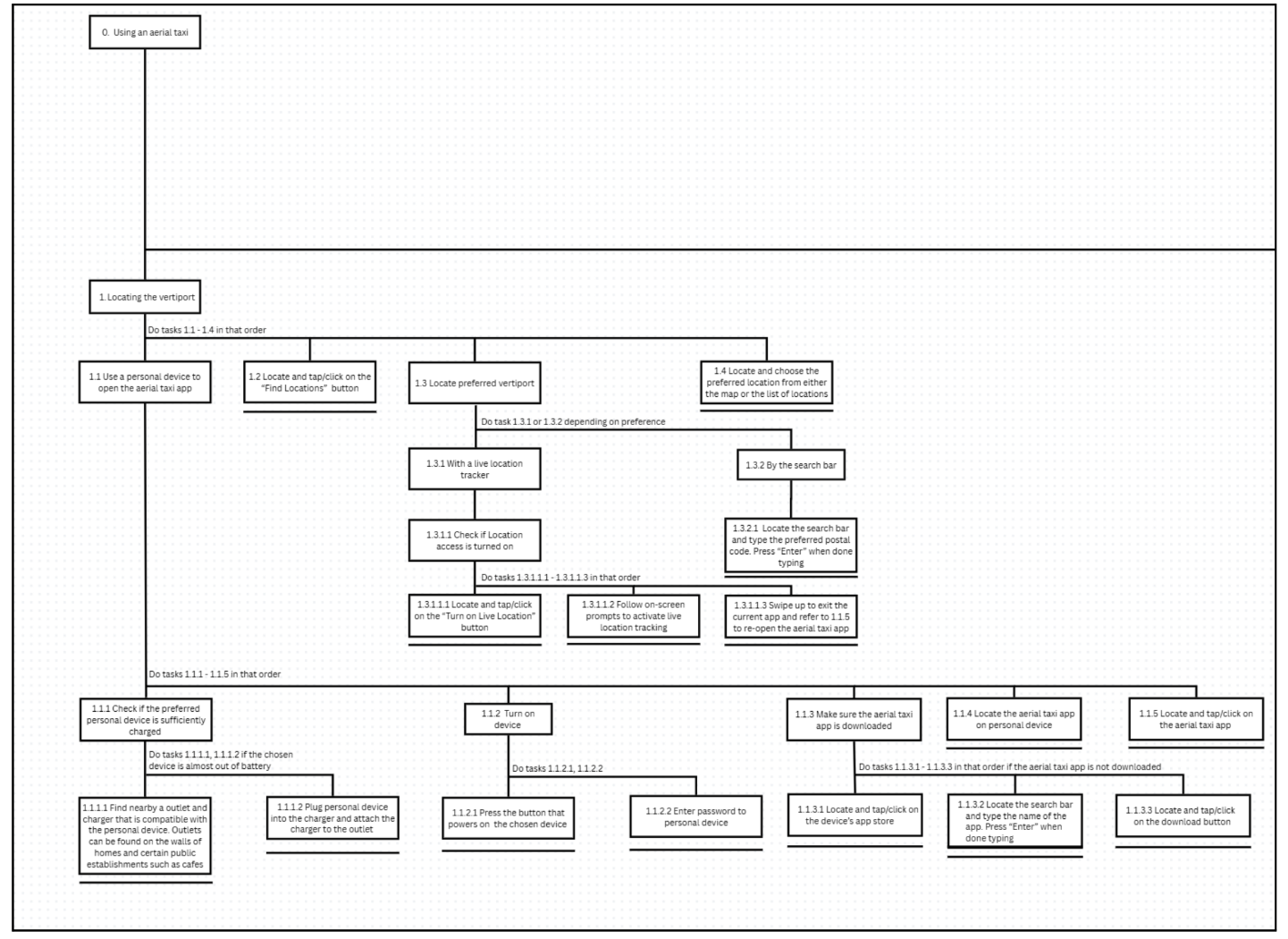
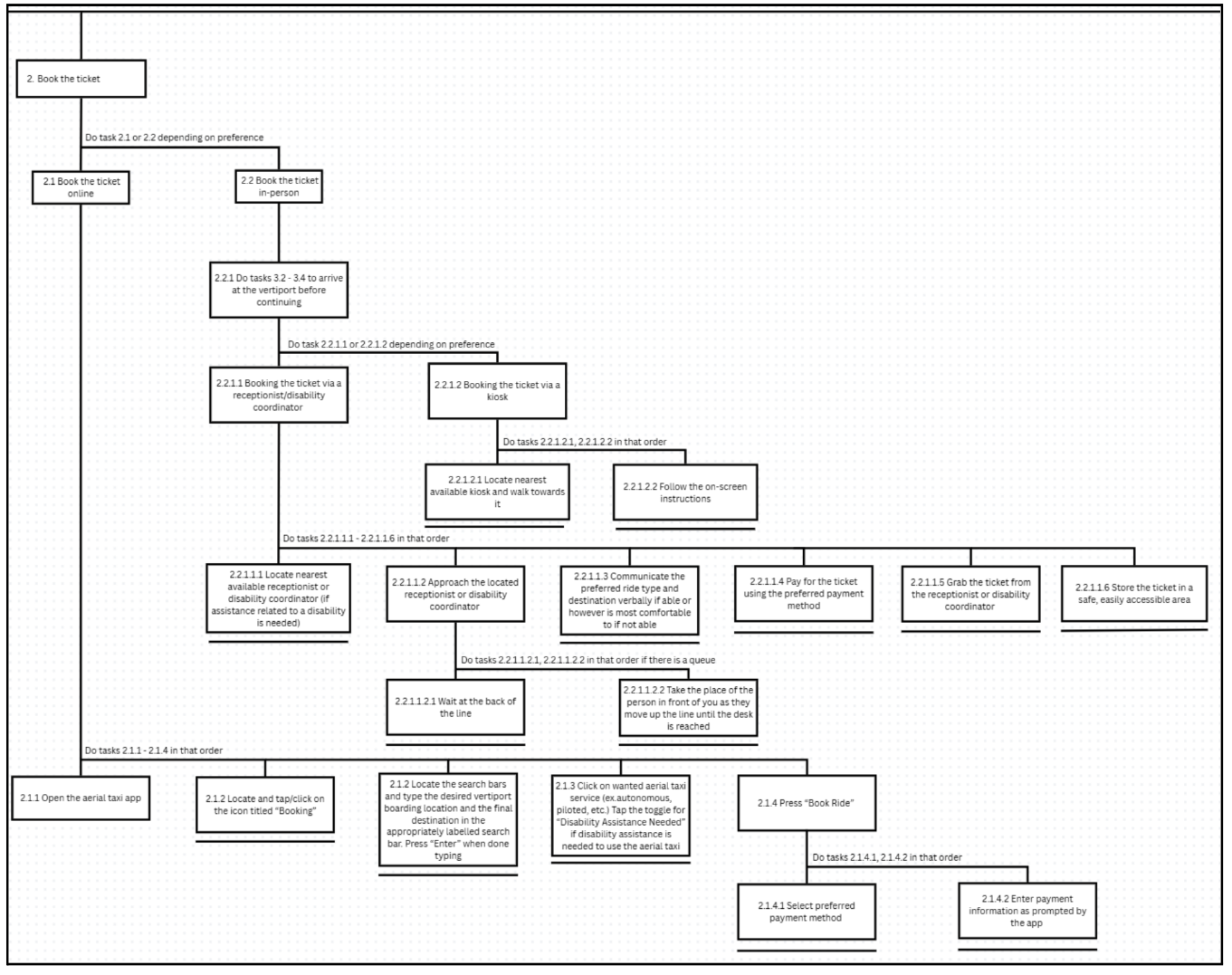
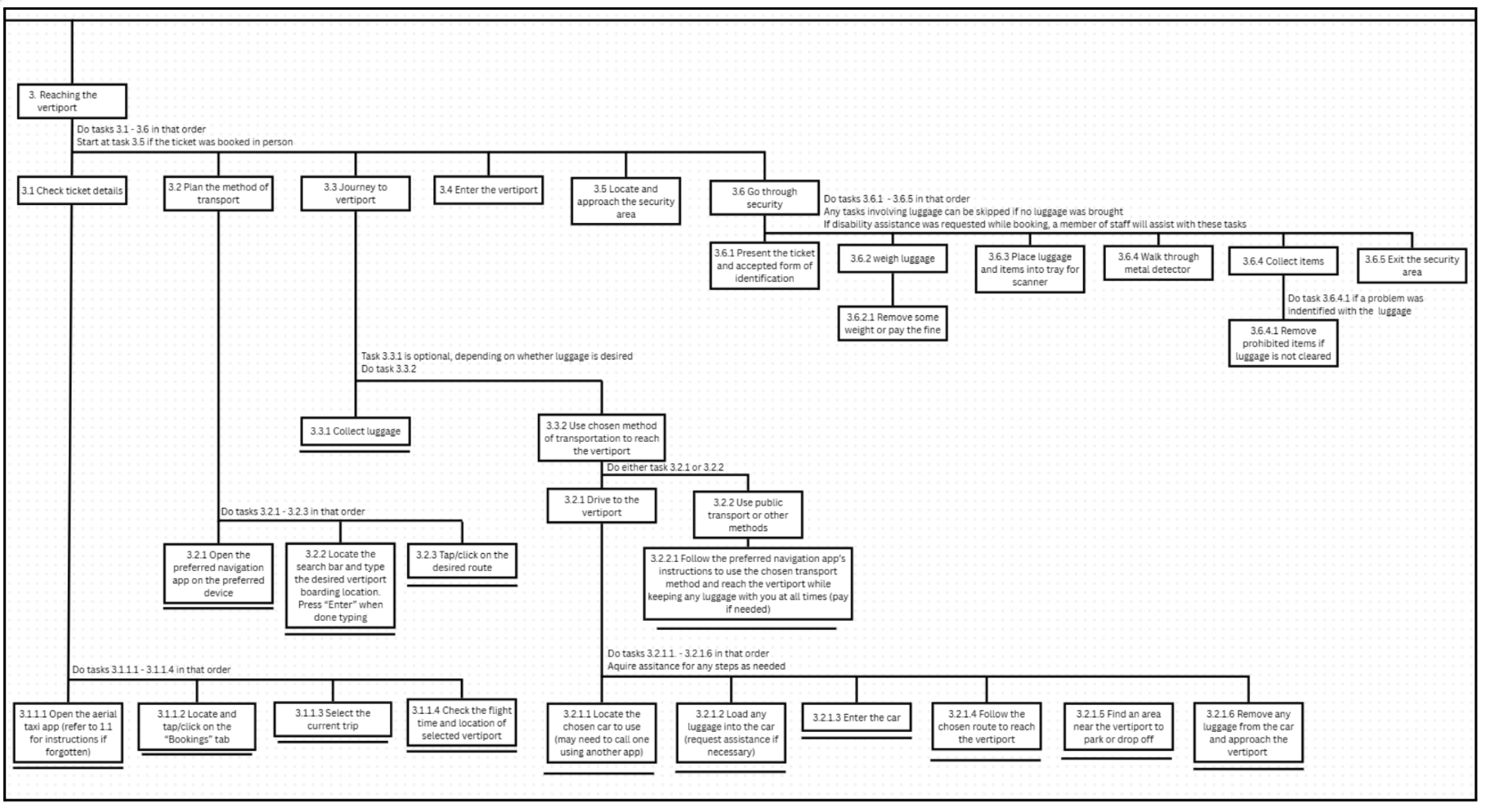
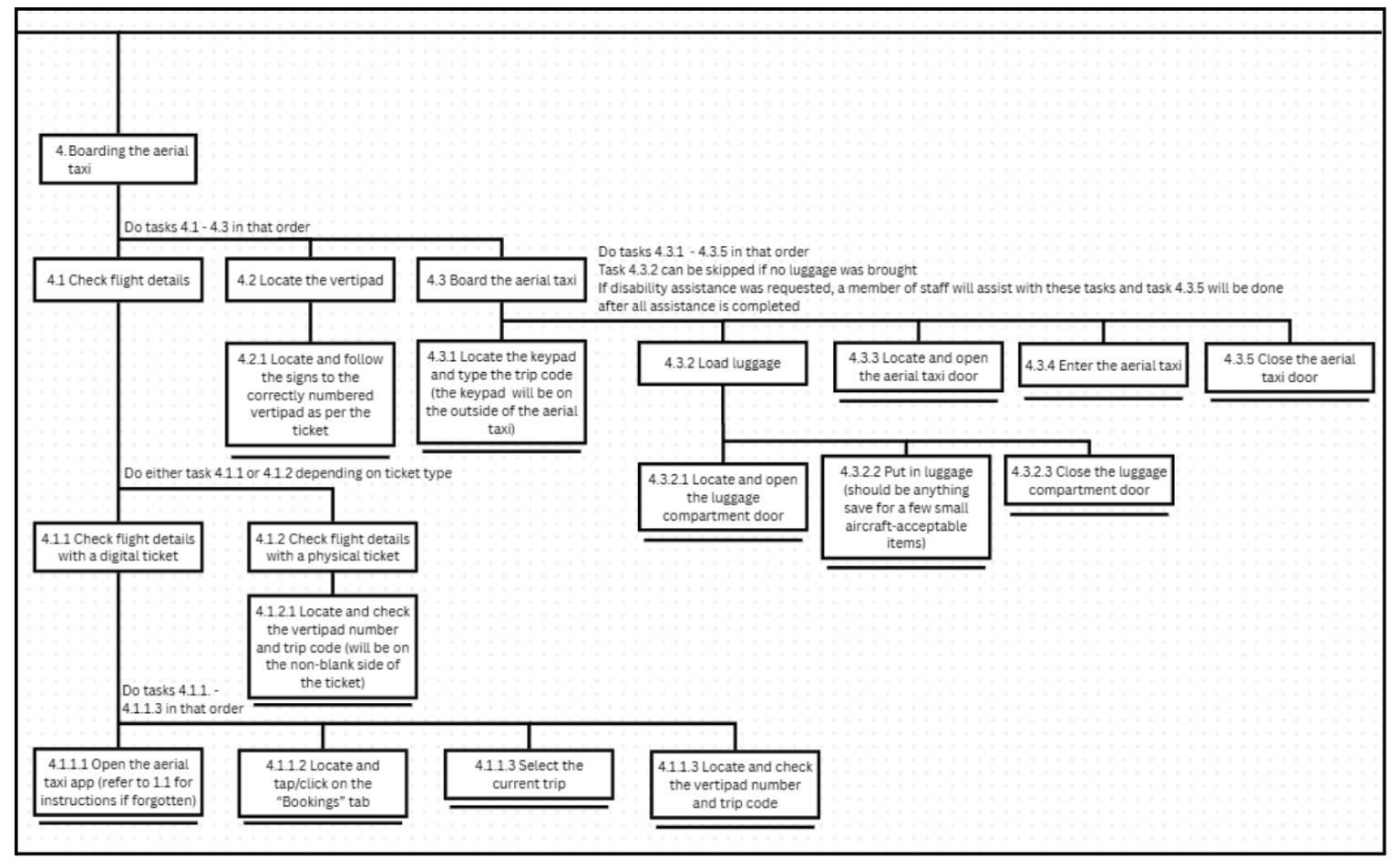
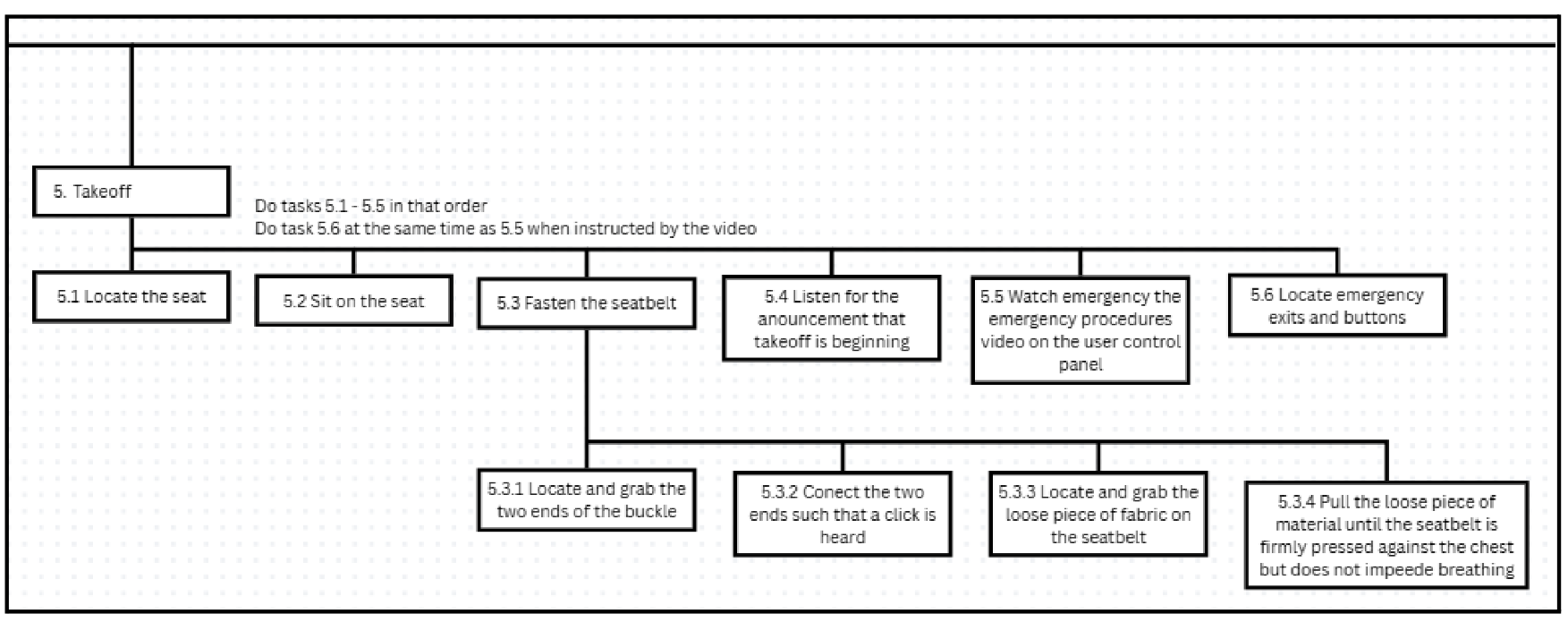
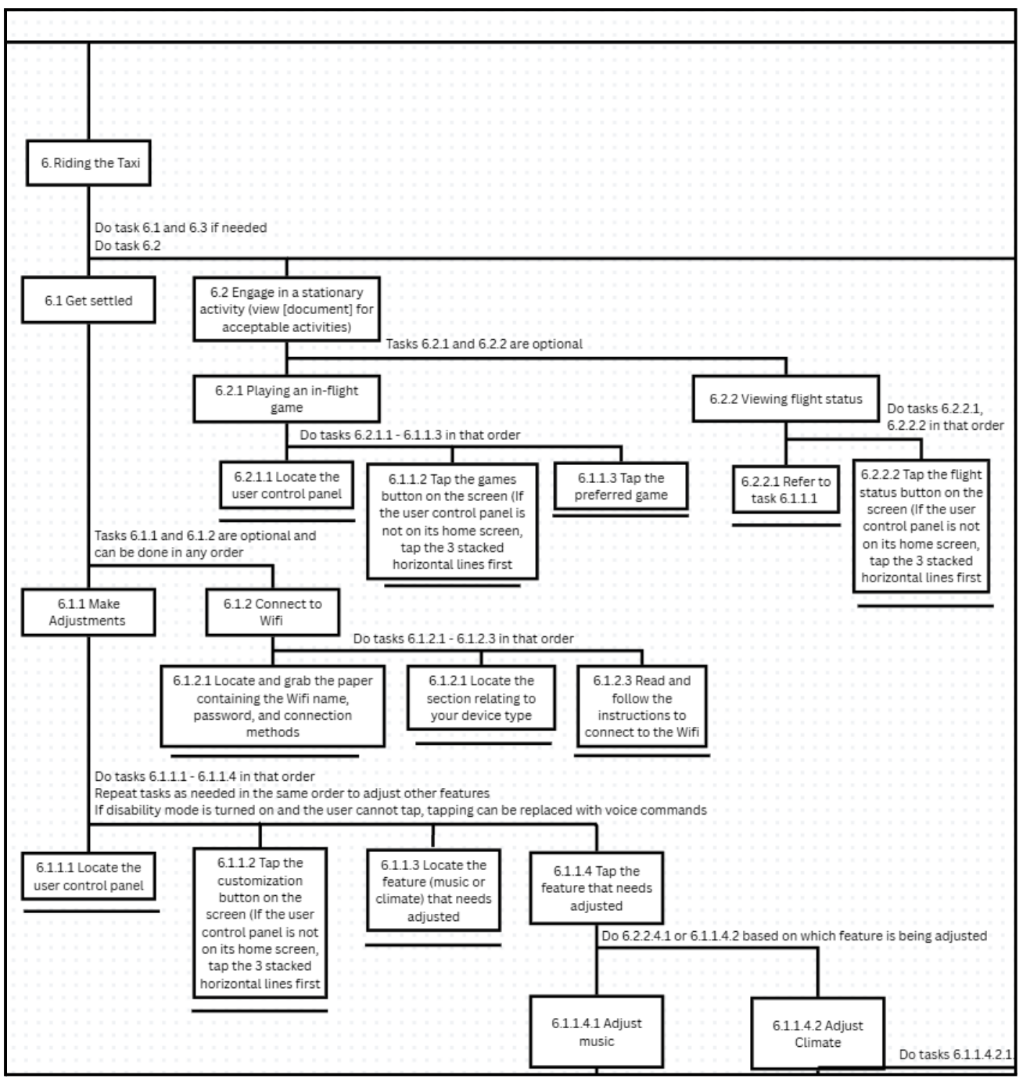
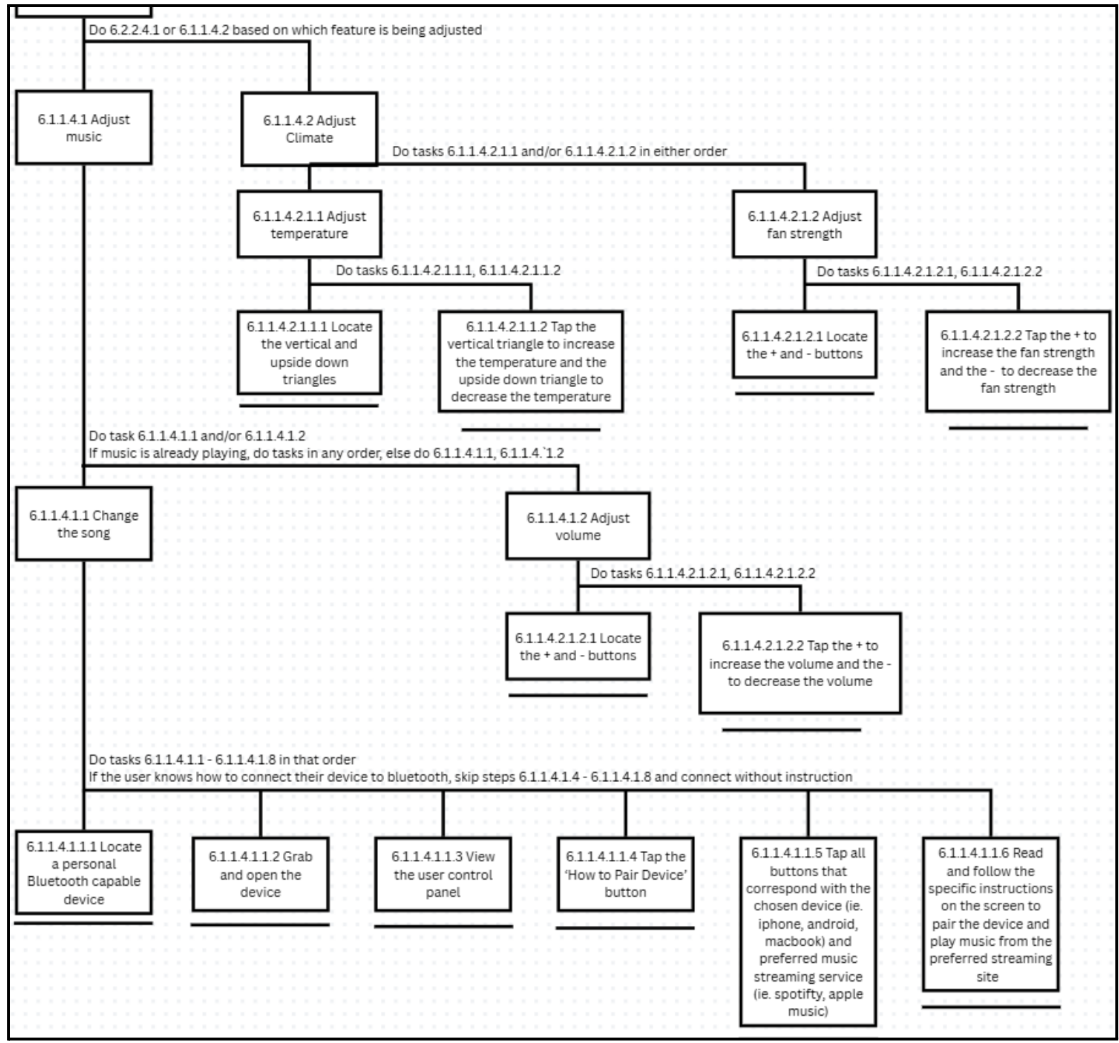
The aim of this paper is to analyse the development and the implementation of electric Vertical Takeoff and Landing (eVTOL) vehicles from a human-centred perspective, while also proposing solutions to several commonly encountered challenges in the field. Furthermore, through the use of a Hierarchical Task Analysis (HTA), this paper provides a detailed representation of the process a user would follow when using an aerial taxi. It also addresses several significant aspects of eVTOL development and operation, including vehicle design, maintenance and security, as well as the legal aspect of their implementation. Finally, the paper concludes by presenting a proposed framework for an ideal Urban Air Mobility (UAM) system.
2. Introduction [VB]
With the continuous expansion of cities, increasing population growth and worsening traffic on the ground, a new method of transportation that takes advantage of the third dimension needs to be developed (Xu et al., 2025; Roland Berger, 2018). Taking this into account, advanced air mobility (AAM) and, more specifically, its subset – urban air mobility (UAM), have emerged as an attractive solution to the spatial and operational limitations of conventional terrestrial infrastructure, promising a time-efficient, sustainable and safe way of travelling (NASA, 2017).
Furthermore, electric Vertical Take-Off and Landing (eVTOL) aircraft, which are a key component of this emerging field, are now closer than ever to being implemented, due to scientific advancements in many areas such as electric propulsion, materials, autonomous control systems and communication networks (Xu et al., 2025; Roland Berger, 2018). Their integration into the urban environment would open up numerous possibilities, from implementing them in critical services in order to improve aspects such as emergency medical transportation to using them for the efficient delivery of supplies and goods (Xu et al., 2025). Although eVTOLs have gathered increasing interest worldwide, with billions of dollars having been invested in the sector, many research areas require further consideration, most notably the one this paper addresses: the human-centred challenges that will ultimately dictate the safety, public acceptance and operational viability of these aircraft. During the development of AAM, human factors must be taken into consideration to ensure the well-being of the urban population and an increase in their quality of life following the successful deployment of eVTOL aircraft in cities for, potentially, not only local activity, but more complex and challenging regional and interregional transit (Xiang et al., 2024). The analysis is organised around several areas related to the development and implementation of eVTOL aircraft, including design, maintenance, legal aspects and security. Each area is analysed from a human-centred perspective, first considering the potential effects of disregarding these aspects and subsequently discussing methods that can be used to address the identified concerns.
2.1 Aims and Objectives [VB]
Furthermore, the aim of this paper is to analyse well-known challenges and concerns associated with the development and implementation of eVTOL aircraft from a human-centred perspective and to discuss potential solutions to them. More specifically, the paper examines how these challenges can affect passengers, urban populations and societal acceptance.
3. Literature Review [ALL]
3.1 Technical and Design Studies [VB, AK]
Some of the studies used in this paper, such as Dai et al. (2025) and Xiang et al. (2024), are technical in nature, exploring different challenges encountered during the development and implementation of aerial taxis from a technical standpoint rather than prioritising the discussion of public trust and acceptance. Nevertheless, they provide a much-needed analysis of potential solutions to the examined concerns, highlighting how key technologies, design methods and engineering principles can be used to address problems that arise during the implementation of eVTOL aircraft in urban environments. Furthermore, other relevant research papers, notably American Institutes for Research (1987) and Unsworth et al. (2019), explore design choices that prioritise user safety, accessibility and ergonomic performance by applying human-factor principles.
3.2 Operational Security and Safety Studies [VB, ED, RR]
Studies such as Zeballos et al. (2023) analyse different methods through which operational security can be improved, focusing on both active and passive approaches to the prevention and elimination of external and internal threats within an operational framework. Moreover, they provide important insights into the implementation of technology to simplify security procedures and make them faster and easier for users. However, these changes can also introduce new concerns from a human-centred perspective. For example, the implementation of technologies that improve security may require the collection and processing of user data, which could affect the level of trust users place in the system. Therefore, while these studies provide methods for improving operational security, their potential effects on users also need to be considered.
3.3 Legal and Regulatory Frameworks [AB, VB, CR]
Both regulatory systems, such as the Federal Aviation Administration’s (FAA) regulatory framework, and legal issues surrounding aviation are explored in studies such as Jakubiak (1997) and Nomani et al. (2026). These studies also examine liability laws in different parts of the world, highlighting the importance of determining who is responsible when the failure of an aircraft or one of its components causes harm. Furthermore, concerns regarding aircraft manufacturers being responsible for certifying their own products are discussed by the aforementioned studies. Haertlein and Barkowski (2017), for example, examine whether a manufacturer can be held liable for a defective aircraft product, considering federal aviation regulations and court decisions to determine whether federal or state standards should apply.
3.4 Connection Between Existing Research and This Paper [VB]
By analysing the concerns and solutions presented in the aforementioned studies, this paper develops the human-centred aspect of these existing areas of research. While the reviewed literature provides valuable methods for addressing technical, security and legal challenges, their potential effects on human-centred factors such as social acceptance, trust and urban well-being are not always the primary focus. Therefore, this paper connects the identified challenges and solutions with their potential effects on people, considering how they may influence the successful development and implementation of eVTOL aircraft in urban environments.
4. Hierarchical Task Analysis (HTA) [All]
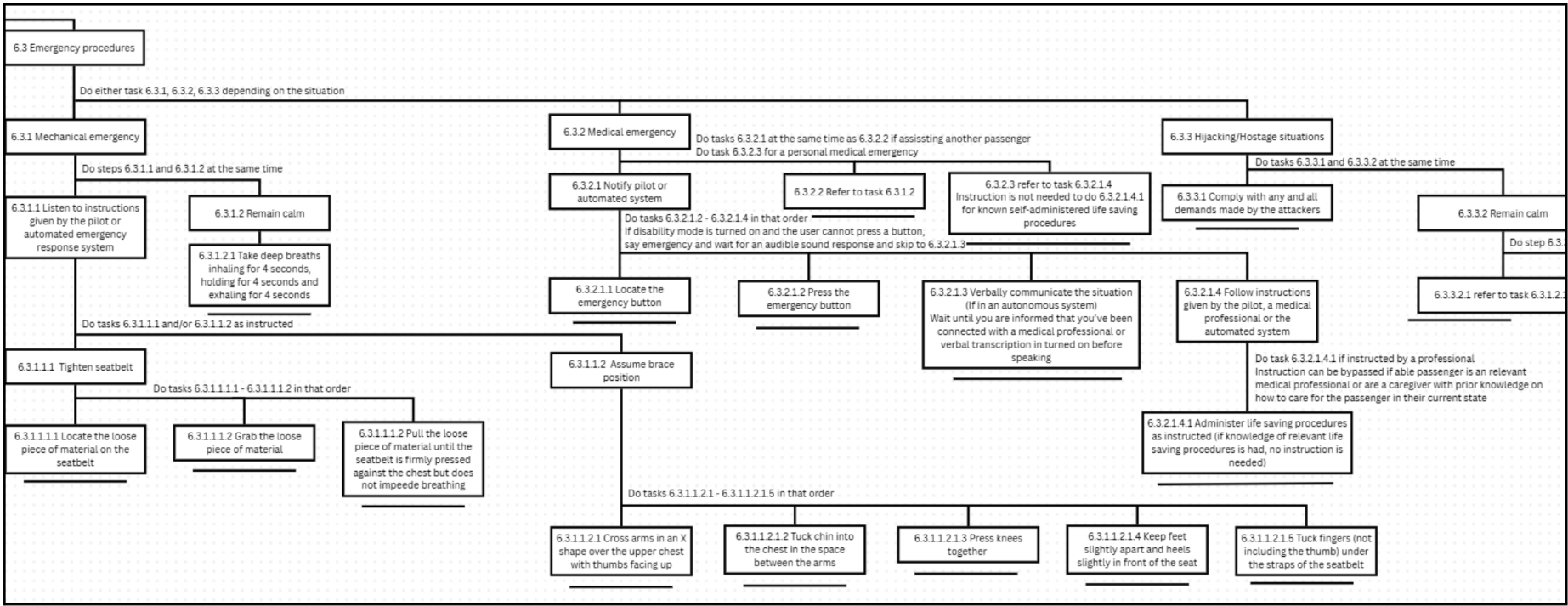
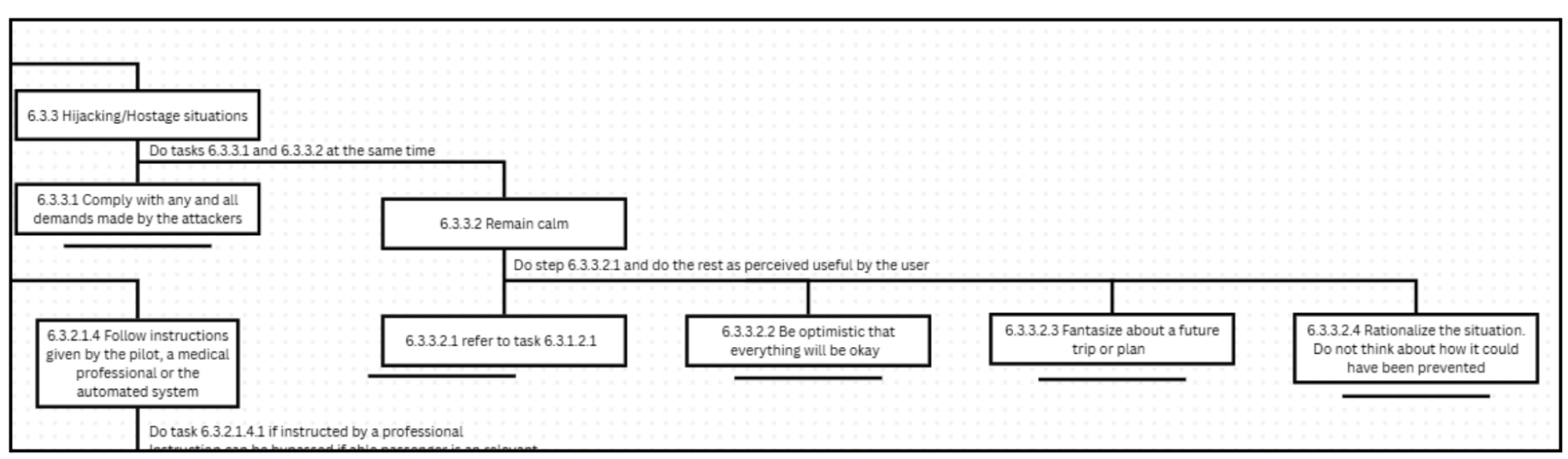
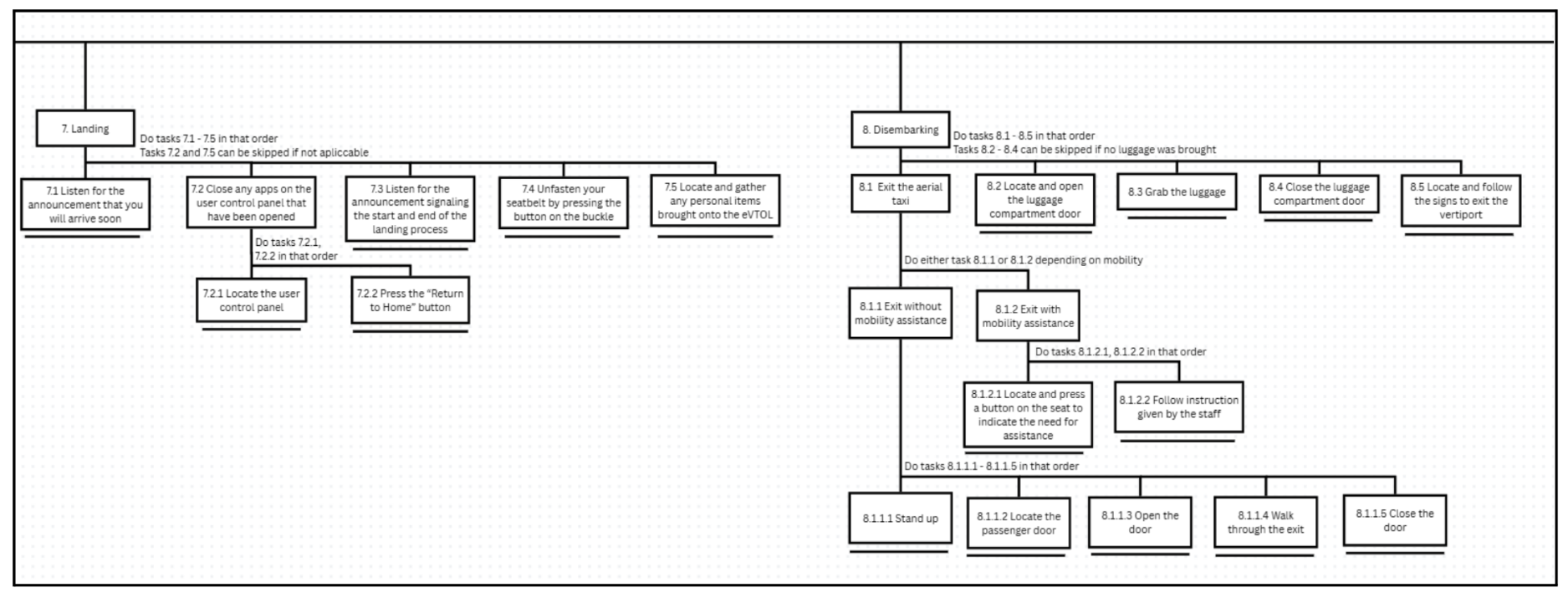
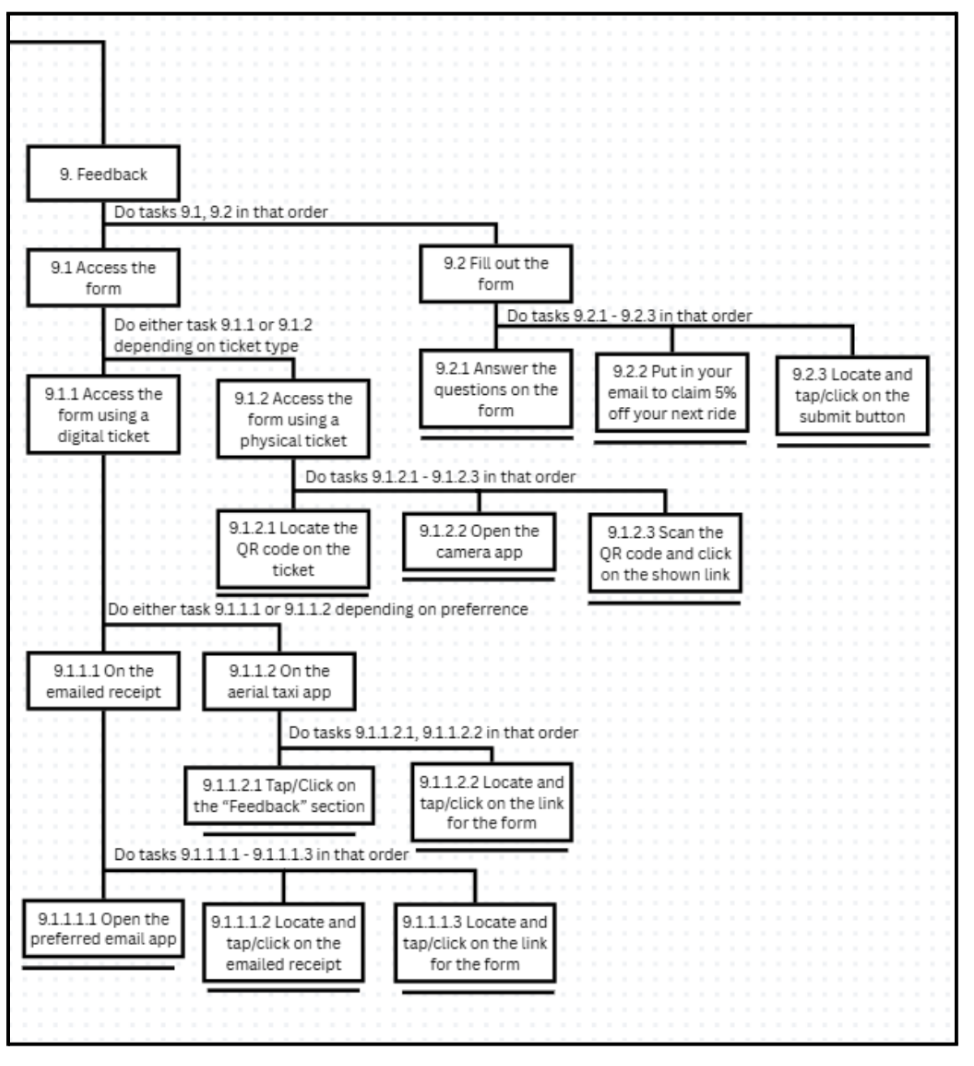
5. Design [VB, AK]
Design is one of the most important and complex aspects to consider during the development of aerial taxis, as the urban environment they are planned to operate in requires eVTOL aircraft to satisfy a comprehensive set of requirements, whose disregard by companies could lead to a negative effect on passenger experience, consumer trust, societal acceptance and inclusivity of certain groups with disabilities. Furthermore, focusing on key attributes such as high manoeuvrability, robustness, accessibility, exceptional passenger safety, cost-efficiency and performance is essential (Su et al., 2024; Xiang et al., 2024).
5.1 Fault Tolerance [VB]
The introduction of eVTOL aircraft into urban environments presents significant safety concerns for both passengers and people on the ground. Unlike conventional ground transportation, an eVTOL failure can potentially affect not only the passengers but also pedestrians, drivers and other aircraft in the surrounding environment. Consequently, ensuring that the aircraft remains safe even when individual components or systems fail is essential for protecting human life and creating a transportation system that people can trust (Xiang et al., 2024).
To prevent mechanical or system failures, it is incredibly important to develop a fault-tolerant system through the use of fault-tolerant methods, such as the implementation of hardware and analytical redundancy in the design (Xiang et al., 2024). Hardware redundancy consists of the use of additional components, which can increase safety but also adds complexity, cost and weight to the aircraft (Xiang et al., 2024). Analytical redundancy, on the other hand, relies on software-based methods to detect and tolerate faults without requiring additional physical components (Xiang et al., 2024). Both methods are crucial in ensuring system reliability, since they address failures through different approaches. Their combined implementation can provide a higher level of safety by allowing the system to detect, mitigate and tolerate failures more effectively. For example, in the case of a DEP unit/motor failure, the other motors that were added through hardware redundancy could make up for the lost thrust, provided that an active fault-tolerant control system can dynamically reconfigure the control laws.
In addition, at a smaller scale, the fault tolerance of the propulsion system can be improved significantly by increasing the motor’s defining properties (Dai et. al., 2025).
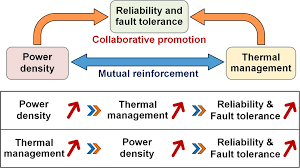
Figure 1. Key properties and their interconnections in electric machine systems of eVTOL aircraft (Dai et al., 2025).
The image above portrays the fact that the higher a motor’s power density is, the more flexibility you are given in regard to the design, as long as the thermal management system is developed to match the extra heat produced by the motor. Moreover, the flexibility is crucial since eVTOL aircraft are heavily reliant on hardware redundancy, which introduces a considerable amount of extra weight (Dai et al., 2025).
5.2 Air traffic control [VB]
The introduction of eVTOLs in cities will require the implementation of a system responsible for the management of the airspace in order to prevent collisions between two aircraft, which would result in the loss of innocent lives and negatively affect the public perception of eVTOL technology. In the beginning, air traffic control could be attained by establishing a human-based, machine-assisted network where aerial taxi companies would be responsible for the development of the necessary infrastructure and the training of employees (Xiang et al., 2024). Later, as fully autonomous eVTOL aircraft are introduced, this control system could become fully automated through the use of communication systems, which will allow the aerial taxis to share their location in real time and avoid mid-air collisions by adjusting their trajectory. The airspace management system will incorporate a route-planning feature that would be aware of the meteorological conditions and capable of considering wind speed and direction to determine the optimal flight path (Xiang et al., 2024). This would allow the eVTOL to take advantage of favourable wind conditions where possible, potentially improving flight efficiency and reducing energy consumption, while avoiding weather conditions that could negatively affect safety or performance (Xiang et al., 2024).
5.3 Sound management [VB]
One of the biggest concerns regarding eVTOLs identified among people who were surveyed and interviewed across the globe is noise pollution, since it can have an adverse effect on the quality of life for residents (Babetto et al., 2023). By using a distributed electric propulsion system (DEP), the thrust is spread out over more rotors, which allows the required thrust to be distributed across a larger number of smaller rotors, potentially reducing their rotational speed and consequently the generated noise. Moreover, multicopters, multi-rotor aircraft, excel in this aspect, since their widely spread propulsion system allows them to produce noise levels between 60 and 80 dB, which is as loud as a vacuum cleaner (Su et al., 2024; Dai et al., 2025).
5.4 Accessibility [AK]
One of the most significant issues that needs to be addressed when designing ergonomically is the comfort of users with physical accessibility requirements. For example, users who operate wheelchairs will need the freedom to board the eVTOL without exiting their wheelchair (Unsworth et al., 2019). This is a known problem in transport such as regular taxis, as wheelchairs may not fit, fold or require extra assistance. To combat this, a low-gradient ramp will be able to attach to the eVTOL for smooth access down for the user. Furthermore, the frame material would be made of 6061 – T6 aluminium: relatively cheap, strong and durable. A rubber coating would be added so that the user can move safely due to the friction provided, without the worry of potential slipping hazards. Moreover, a storage space in the rear area can be used to store the wheelchair with the help of ground crew or an air pilot during the flight (Reimer et al., 2025).
5.5 Language and sensory issues [AK]
To accommodate users of all backgrounds, a multilingual passenger information system will be implemented via a touchscreen with a selection at the start of the ride for your chosen language. Additionally, critical safety instructions and alerts will be provided audibly, in the selected language, and by clear symbols so that users with visual or hearing impairments have the same access to vital information (Bigby et al., 2026). Noise-cancelling earphones can be provided for using the touch screens and for users to reduce external stimuli. Additionally, to account for users with conditions such as epilepsy, lights will have a range of settings, and flashing lights are prohibited inside the cabin design.
5.6 Seats [AK]
Seats will be positioned to allow wheelchairs to enter and turn freely within the cabin, and their height will align with wheelchair seats to support easy transfers. The chairs will have built-in safety features such as rounded edges and bumpers to prevent harm to users or during transfers from wheelchairs (American Institutes for Research, 1987). Additionally, the cabin seat design will use both static and dynamic anthropometric data to accommodate a wide range of users without restricting movement. Static measurements, including the 5th, 50th and 95th percentiles for seated and standing height, shoulder and hip breadth, and foot length, will inform the seat’s overall dimensions. Dynamic measurements, such as forward, lateral and vertical reach and joint range of motion, will determine the space needed for unrestricted movement. The standard seat setting will fit the 50th percentile, with adjustments extending from the 5th percentile female to the 95th percentile male (American Institutes for Research, 1987). Long levers with clear symbols will control the seat angle and position, and each adjustment will provide clear feedback (Helander, Zhang & Michel, 1995). To reduce the effort required for passengers like the elderly, adjustments will be electrically assisted, ensuring a smoother experience. Feedback will be displayed on the touch screen visually or audibly, depicting active changes made to the seat, although both settings can be removed depending on the users’ individual requirements.
5.7 Seatbelts [AK]
The seat belt will be designed to provide both safety and ergonomic usability. Research showing how passengers adjust aircraft lap belts found that most passengers applied relatively low levels of tension, showing the importance of allowing the belt to be adjusted easily without requiring excessive force or pressure (DeWeese & Gowdy, 2002). Therefore, elderly or physically impaired users can navigate safety measures easily. The restraint will therefore use high-strength polyester webbing because it provides high tensile strength while remaining lightweight and durable. An adjustable three-point restraint will be used, with the buckle positioned so that the passenger can comfortably reach it while seated and properly restrained. The buckle will also provide clear tactile feedback when operated. The belt will also be designed to accommodate varied passenger body sizes and seating positions, particularly as the eVTOL seat can be electrically adjusted. A large, easily identifiable release mechanism will support quick operation during cases of evacuation.
6. Maintenance [AM, CR]
Maintenance exists to keep people safe and to ensure that systems operate as efficiently as possible. To sustain this, regular inspections and timely repairs are essential. Currently, society often perceives public transport as dirty; this perception shapes behaviour, with passengers reporting that they change clothes and wash their hands immediately after exiting (Bernard, 2014). To enable people to reach their destinations quickly and reliably, vertipads must be properly maintained so that they function safely and without disruption. For emerging aerial taxi services, maintaining this standard from the outset can help avoid the negative perceptions that have long affected conventional public transport.
6.1 Maintenance of the Vertipads [AM]
Pavement is brittle, weak in tension and vulnerable to surface wear (TarmacView, 2025) but can last 30-40 years before needing to be repaved (Finlay, 2023). Repeated landings and take-offs can contribute to the deterioration and surface wear of pavement (Şener and Yalınız, 2026). To protect the eVTOL and personnel, onsite staff will sweep away any foreign object debris to stop damage (Federal Aviation Administration, 2023). This also prevents damage to the aircraft rotors, propulsors and landing gear (RMC Global, 2024). During a snowstorm, the vertipads will be cleared using an automated snow-removal system instead of conventional snow plows to reduce the risk of chipping away at the surface. Snow must be removed promptly to avoid water entering the pores of the concrete and refreezing (Schulson, 1998), as when frozen water expands, it forces the concrete apart, causing cracks, surface spalling and loose pieces, making the pad uneven and less stable to support eVTOL landings and takeoffs (Schulson, 1998). Rain is also harmful as it can reduce traction, conceal damage and later freeze, causing worsening cracks (National Transportation Safety Board, 2026). If these issues are not addressed promptly, the vertipads may require costly repairs or repaving, causing them to be temporarily closed and disrupting personal schedules, which can lead to a reluctance to use eVTOL aircraft and reduced levels of customer satisfaction.
6.2 Maintenance of interior cabins [AM, CR]
Studies have found that children’s car seats harbor bacteria such as E.Coli and Salmonella when not cleaned regularly (Parry, 2014). To maintain cleanliness, after all passengers have exited, an automated self-cleaning procedure will begin. Once the cabin is confirmed to be empty, the doors will automatically lock, and Far-UVC lights will disinfect the interior. These lights are designed to inactivate bacteria and viruses while being safer for human exposure when operated within appropriate safety limits (UV Medico, n.d.). By using Far-UVC lights instead of doing a deep clean between flights, we will be able to prevent delays. The seats will be made with self-decontaminating materials containing microbial agents, such as nanosilver or copper microparticles (Weber et al., 2023), which can kill or inhibit microbes upon contact. The fabric on the seats will have continuous surfaces without deep seams or crevices where bacteria can become trapped. To prevent smudges, fingerprints and liquid spills from adhering to windows and the user control panel, these surfaces will be coated with hydrophobic and oleophobic films. The hydrophobic films will repel water (Kahan, 1951) while the oleophobic films will repel oils, making surfaces easier to clean (Omega Optical, 2021). In addition, the eVTOL’s interior will be thoroughly cleaned once a week.
Due to the lack of federal laws established specifically for eVTOL aircraft, their maintenance and cleaning procedures should initially follow the existing regulations governing helicopters and conventional aircraft, including those issued by the Federal Aviation Administration and European Union Aviation Safety Agency (EASA). FAA and EASA continuing-airworthiness regulations require aircraft to be regularly inspected by qualified personnel using approved procedures and documented records, ensuring that they remain safe to operate throughout their service life. Adhering to these accepted standards will ensure a consistent level of safety and protection for the public as eVTOL aircraft become more prevalent. Applying these standards to the eVTOL aircraft would help minimise health risks and maintain a safe environment for passengers (EASA, 2020). The maintenance of the eVTOL aircraft should follow established helicopter regulations (Bassey, 2026).
7. Security [ED, RR]
Security is an important consideration in aerial taxi development because concerns about inadequate security, privacy, surveillance and overall safety can increase the perceived risk and reduce passenger acceptance (Yoo, Choe & Rim, 2022; Ison, 2026). Although Ison’s (2026) survey of 1,247 U.S. adults found strong support for efficient, technology-enhanced screening, passenger-level UAM security procedures remain underdeveloped. Effective implementation must therefore mitigate insider threats, passenger-induced operational interference, pre-boarding threats and cybersecurity vulnerabilities while providing a predictable, accessible and trustworthy passenger experience.
7.1 Staff security [ED]
Aviation security must not only consider external threats from passengers, but also internal threats posed by employees. Wallace and Loffi (2014) found that aviation employees generally believe that while current measures, such as criminal history record checks and security threat assessments, work well against detecting criminals, they are largely ineffective against terrorists. Their effectiveness is further limited by one-time background checks and reliance on self-reporting and “see something, say something” policies. Therefore, conducting criminal-record checks regularly could reduce the risk of staff criminal activity going unreported. Moreover, insider-threat mitigation can be grouped into two main categories: technological remedies and randomisation.
7.1.1 Technological Remedies [ED]
Situational awareness technology detects the patterns of employees in their day-to-day work and notifies management if that pattern is broken, such as by entering areas unrelated to an employee’s role, allowing suspicious behaviour to be investigated (Wallace & Loffi, 2014).
Badges alone are unreliable due to theft or sharing (Wallace & Loffi, 2014), making biometrics a more secure method. For aerial taxi access control, iris and palm-vein recognition are recommended as possible biometric options. Iris readings provide security in their uniqueness of visible, macro and geometric elements, and their unchanging features, yet are susceptible to print attacks, contact lens attacks, video attacks, cadaver attacks, synthetic attacks, spoofing, and certain ocular diseases and their related surgeries (Bhatt et al., 2025). Palm vein readings are harder to copy than other biometric features given that they are mostly invisible to the human eye, being interior biological information, are unique and require blood flow to detect liveness, however, they can be costly, and while much harder, are still susceptible to spoofing (Wu et al., 2020). By combining biometrics with badges or PINs, access control to critical areas, including the aerial taxi, could be strengthened.
7.1.2 Randomisation [ED]
When security systems are predictable, they can easily be learned and worked around. By adding unpredictability, a proactive approach can be added to prevent the exploitation of security measures.
| Where | Unpredictability measure | Short description of measure | Who | Target group | Variation / randomisation factor | Overt / covert application |
| In- and outside perimeter | Patrol activity | Patrols are executed in an unpredictable manner, whereby time entries and journals help to monitor the variation (the measure is often combined with badge / identity check). | Airport security staff; security provider; police | Passengers / visitors; airport staff | Location of control; time of control; type of control | Overt; covert |
| Entire airport site | Badge / identity checks | Random, irregular and unexpected examination of an employee’s identity and access rights for a certain area at the airport (without a quota; the measure is often combined with patrol activity). This includes verifying that a badge / ID card is still valid. | Airport security staff; security provider; police | Airport staff | Location of control; time of control | Not mentioned |
| Entire airport site | Quality checks | Quality checks include the verification of compliance with security regulations / instructions among employees. These checks are not announced but defined by a system for random, uniform deployment. | Airport security staff; security provider; airport security management | Airport staff | Location of control; time of control; type of control; controlling authority | Overt; covert |
| Gates of goods delivery | Quota-based checks on goods | Quota-based application of checks on goods delivered by unknown suppliers. The randomness is defined by a quota algorithm. | Airport security staff | Supplier (unknown); airport staff | Time of control; type of control | Not mentioned |
| Entire airport site: mainly at security checkpoint | Switch of workplaces | Working stations must be switched unexpectedly (team / individual A switches workplace with a team / individual B). The randomness is carried out from time to time (not structured or constant). | Airport security management | Airport staff | Location of control; time of control | Covert |
| Security checkpoint | Quota-based ETD checks | Quota-based application of explosive trace detection (ETD) tests on passengers or baggage at the security checkpoint. The quota is given by the authority and applied by an algorithm. | Airport security staff | Passengers; airport staff; crews | Time of control | Not mentioned |
| Secuirty checkpoint | Assignment to security lanes | Random assignment to a specific security control lane at the end of the passenger queuing. The assignment is based on capacity of the security lanes (efficiency). | Airport security staff | Passengers; airport security staff | Location of control | Covert |
| Security checkpoint | Security controls airside (abroad) | Various measures are commissioned unannounced to security providers at foreign airports which do not meet the airline’s quality standards (e.g., additional ETD checks on passengers, observation, repeated X-ray screening). The frequency of the measure depends on the relationship of trust between airline and security provider. | Security provider (abroad); airline | Passengers; security provider (abroad) | Time of control; type of control; controlling authority | Overt; covert |
Table 1. Staff-related unpredictability measures in airport security. Adapted from Table 4 of Zeballos et al. (2023). Passenger-only measures omitted. Licensed under CC BY 4.0.
The table provides various ways in which unpredictability is considered by European airport stakeholders, although implementation varies by airport and authority. By adopting and expanding upon these measures, efforts can be made to both serve as a deterrent against and reduce the chance to successfully plan and execute an attack. Experts also stated that unpredictability helps raise and maintain security awareness among employees (Zeballos et al., 2023).
7.2 Security Against Unpredictable Passengers with a Physical Pilot [ED]
In physically piloted aerial taxis, flight controls may be more accessible to passengers than on conventional commercial aircraft, creating a risk of unauthorised interference and loss of control, serious injury or fatalities. Two potential mitigation strategies have been proposed, but their effectiveness requires further experimental validation.
The first is physical separation of passenger and pilot cabins. A physical barrier removes access to flight controls, and if the barrier and door are designed in accordance with applicable FAA airworthiness requirements, with guidance provided by AC 25.795-1A and AC 25.795-2A (FAA, 2008a; FAA, 2008b), should prevent intrusion into the cockpit.
The second detects passengers leaving their seats and transfers flight control. Where controls cannot be reached while seated, movement could be detected through seat-integrated sensors that do not compromise seatbelt structural integrity or performance. Potential sensors include force-resistive, thermal or capacitive occupancy sensors (Sifuentes et al., 2019), woven capacitive upholstery sensors (Martínez-Estrada et al., 2023) and Hall-effect buckle sensors detecting whether the seatbelt is latched (Bonyár et al., 2018). Alternatively, in-vehicle computer vision is another option. Chun et al. (2019) investigated CNNs for detecting seatbelts alongside occupant body pose. Although further development is required, the results suggest that such systems could potentially detect proper seatbelt use and warrant experimental testing for eVTOL applications. Once the system detects that a passenger has left their seat, it could disconnect the in-cabin control panel and transfer control to an autonomous or remotely operated system. The feasibility of remote eVTOL operation has been demonstrated by Joby Aviation, whose full-scale prototype was remotely piloted during NASA flight testing (Pascioni et al., 2022).
As a failsafe, a silent alarm could be implemented using a button or an automatically detected emergency signal. Azimi et al. (2023) demonstrated that predefined hand gestures could be automatically detected in real time using CNN-based computer vision, suggesting a potential method for pilots and passengers to discreetly signal an emergency. Signals could also be randomised periodically, with different signals assigned to pilots and passengers so neither group knows the other’s.
7.3 Passenger screening [ED, RR]
Efficient pre-boarding screening is necessary to maintain security without disrupting aerial taxis’ time-saving benefits. Parker et al. (2022) found that CT screening provided greater threat-detection sensitivity than dual-view X-ray, while Wang, Bhowmik and Breckon (2020) note that CT screening can eliminate the need to remove liquids and electronic devices from baggage, potentially improving its efficiency. This is relevant because passengers favour shorter security waits and show strong support for efficient, technology-enhanced vertiport screening (Ison, 2026).
Additionally, unfamiliar security procedures may create uncertainty when passengers cannot anticipate what will happen during screening. This is relevant to the HTA, where passengers receive instructions, prepare belongings, enter the screening area and complete screening. Gotti et al. (2026), studying 70 passengers with disabilities, neurodiverse passengers, and seniors across three airports, found that the ability to anticipate procedures, security-space design and interactions with staff influenced passenger stress. Gotti et al. (2024) and Hadj Hassen et al. (2026) similarly identified physical, sensory, cognitive and communication barriers during airport processes. Therefore, security screening should clearly communicate what passengers will encounter before and during screening, while providing a flexible pathway when the standard procedure cannot be followed.
Passenger attitudes toward security technology also vary. Ison (2026) found support for technology-enhanced screening alongside different security preferences and recommends hybrid security models, choice-based screening and transparent information about automated technologies. An eVTOL system should therefore maintain consistent security requirements while allowing appropriate flexibility in how passengers complete the process. This should improve both efficiency and passenger confidence without reducing the security standard.
Biometric authentication could make passenger identification faster, but collecting personal information may create privacy and trust concerns. Ison (2026) identified privacy and surveillance as a major dimension of passenger security attitudes and recommends transparent data-handling practices and opt-in biometric pathways. Passengers should therefore understand when biometric information is being used, why it is required and what alternatives are available.
7.4 Cybersecurity [RR]
Cybersecurity vulnerabilities may be invisible to passengers but can directly affect their ability to safely use an eVTOL service. Tang (2021) identified vulnerabilities relevant to UAM communication systems, while Ghazanfari et al. (2026) identified vulnerabilities across connected eVTOL systems, including aircraft connectivity, flight-management software, databases, cloud services and credentials. This means that presenting a valid passenger credential alone cannot guarantee that the systems receiving it are trustworthy.
Mahmoud et al. (2024) identify authentication as a means of preventing unauthorised access, while ITU-T X.1385 (2025) establishes authenticity and authorisation as UAM telecommunications security requirements and recommends that communications with external entities originate from trusted sources. Therefore, an eVTOL passenger should not simply be authenticated once and assumed to remain authorised throughout the journey. Instead, passenger identity, journey authorisation and relevant system communications should be verified through separate but connected security functions.
This supports a layered authentication architecture, in which passenger authentication, vertiport authorisation and aircraft authorisation remain distinct. Such separation could reduce the consequences of a single authentication failure while allowing passengers to receive clear feedback about where a problem has occurred. The DOT AAM National Strategy (2025) additionally emphasises protecting aircraft systems from unauthorised access and protecting personal information. Consequently, the system should collect only information necessary for each security function and avoid adding unnecessary authentication steps that increase passenger confusion or delay.
Cybersecurity risks also extend beyond unauthorised access. Attacks such as jamming, spoofing, interception, data manipulation, replay attacks and denial of service could compromise the confidentiality, integrity, or availability of passenger and aircraft information (Tang, 2021; Mahmoud et al., 2024; Ghazanfari et al., 2026). Because passenger applications, cloud services, vertiport systems and aircraft systems form a connected ecosystem, safety-critical networks should be separated from passenger-facing services, while communications and navigation data should be authenticated and independently validated before being trusted.
8. Legal Aspect [AB, CR]
Liability is an important consideration for urban aerial taxis because passengers and people on the ground may be harmed despite having little control over the aircraft or the systems operating it. Although liability was not identified within the HTA, it should still be considered because the HTA focuses on how people interact with the system, whereas liability addresses what happens to those people when the system fails. This becomes particularly important for eVTOLs because an accident could involve the aircraft manufacturer, software developer, operator, maintenance provider or vertiport infrastructure, rather than having one obvious responsible party (Nomani et al., 2026). Therefore, the human-centred concern regarding liability is not only preventing accidents, but ensuring that affected people have a clear route to accountability and compensation when an accident occurs.
8.1 Limitations of Existing Liability Approaches [AB]
Existing aviation regulation provides established safety requirements for aircraft design and certification, with Haertlein and Barkowski (2017) arguing that federal certification should provide a consistent standard for assessing aviation product safety. However, eVTOLs complicate traditional liability because accidents may involve software errors, autonomous decision-making, defective updates, maintenance failures or vertiport infrastructure sometimes simultaneously (Nomani et al., 2026). This creates a particular disadvantage for passengers because proving liability may require access to software logs, technical data and expert knowledge that are primarily controlled by manufacturers and operators (Nomani et al., 2026). Consequently, a passenger could be harmed by the system but still face difficulty identifying and proving which organisation was legally responsible.
8.2 User Requirements [AB]
From a human-centred perspective, users require more than technically safe aircraft, they also require clear accountability, transparency and accessible compensation if the system fails. Passengers should be informed about the level of autonomy being used and their compensation rights, while accident information should be sufficiently accessible so that individuals are not expected to independently understand complex software or autonomous decision-making (Nomani et al., 2026). People on the ground must also be considered because aerial taxis operating over densely populated urban environments could cause injury or property damage to individuals who did not choose to use the service (Nomani et al., 2026). These requirements are important for public trust, as users are more likely to accept aerial taxis when they know that responsibility and compensation are clearly established if something goes wrong.
8.3 A Human-Centred Liability Solution [AB]
A suitable solution is a tiered liability framework based on functional control, meaning responsibility is assigned to whichever organisation has control over the source of failure (Nomani et al., 2026). For example, manufacturers or software developers would be responsible for design and software defects, operators would be responsible for operational and maintenance failures, and infrastructure providers could be responsible when vertiport or supporting systems contribute to an accident. Importantly, passengers would not be expected to prove exactly how a complex autonomous system made an incorrect decision; a presumption of causation for AI-related malfunctions and access to technical records could reduce this evidentiary burden (Nomani et al., 2026). Mandatory insurance should also support the framework, as liability backed by insurance provides a more reliable route to compensation for affected people (Jakubiak, 1997; Nomani et al., 2026).
9. Results and Discussion [All]
The final analysis identified safety, accessibility, security and accountability as central to building public trust in eVTOL transportation. Fault tolerance through hardware and analytical redundancy can maintain aircraft functionality following component failures, while effective traffic and noise management can reduce collision risks and concerns among urban populations (Xiang et al., 2024; Babetto et al., 2023). Human-centred features — including wheelchair ramps, multilingual information systems and adjustable seating and restraints — can accommodate passengers with different physical, sensory and communication needs (American Institutes for Research, 1987; Unsworth et al., 2019; Reimer et al., 2025; Bigby et al., 2017). Far-UVC disinfection, antimicrobial materials, protective surface films and regular cleaning can maintain cabin hygiene, while inspections, repairs, debris removal, drainage and snow clearance can reduce vertipad hazards (EASA, 2020; Weber et al., 2023; Federal Aviation Administration, 2023; Schulson, 1998). Security must balance protection with efficiency, accessibility, privacy and passenger confidence through CT screening, biometric identification, clear procedures, layered authentication and strong cybersecurity (Parker et al., 2022; Ison, 2026; Tang, 2021; Mahmoud et al., 2024). Finally, because accidents may involve multiple organisations and autonomous systems, clear accountability, transparent evidence and accessible compensation are essential for protecting affected individuals and strengthening public trust (Jakubiak, 1997; Nomani et al., 2026).
10. Limitations [ED]
This paper faced several limitations that affected the scope and certainty of its conclusions. The limited availability of research in several areas required ideas and conclusions to be drawn from studies of other modes of transportation, such as helicopters. Consequently, many of the proposed measures would require further research, testing and validation before implementation. Time and resource constraints also limited the ability to develop fully validated recommendations suitable for direct implementation.
11. Conclusion [All]
This paper examined the implementation of eVTOL aircraft from a human-centred perspective, considering how their design and operation may affect passengers and wider urban communities. Through the development of a hierarchical task analysis and extensive literature analysis, the research identified potential difficulties throughout the passenger journey and investigated how these could be addressed through design and operational resolutions.
Ultimately, an ideal UAM system should not be designed solely by whether an eVTOL can operate safely and efficiently, but by whether people can understand, access, trust and use the system confidently. Designing around these human needs can improve passenger experience and inclusivity while supporting public acceptance and the long-term use of urban aerial transportation. As eVTOL technology continues to develop, further testing with diverse users will be necessary to validate these proposed solutions and ensure that human-centred considerations remain integrated into the design and implementation of UAM.
Bibliography
Acosta, G., Veleva, L., Chávez, L. and López, J.L. (2020) ‘Effect of laminar flow on the corrosion activity of AA6061-T6 in seawater’, Metals, 10(2), article 175.
Agarwal, V., Charles, D., Elseehy, A., Faheem, O., Jarvi, A., Mohamed, A., Pfeiffer Battaglia, F. and Tye, J. (2025) ‘eVTOLs as aerial taxis in London: Engineering the optimal passenger-centric eVTOL design’, OxJournal, 19 December. Available at: <https://www.oxjournal.org/evtols-as-aerial-taxis-in-london/>
American Institutes for Research (1987) Guidelines for aircraft boarding chairs: A technical paper on the design of chairs used primarily for enplaning and deplaning physically handicapped passengers. Washington, DC: Architectural and Transportation Barriers Compliance Board. Available at: <https://www.access-board.gov/research/human/guidelines-aircraft/>
Azimi, S., De Sio, C., Carlucci, F. and Sterpone, L. (2023) ‘Fighting for a future free from violence: A framework for real-time detection of “Signal for Help”’, Intelligent Systems with Applications, 17, article 200174.
Babetto, L., Kirste, A., Deng, J., Husemann, M. and Stumpf, E. (2023) ‘Adoption of the Urban Air Mobility System: Analysis of technical, legal and social aspects from a European perspective’, Journal of the Air Transport Research Society, 1(1), pp. 152–174.
Barthelmess, S. (1988) ‘How to survive in a hijacking and hostage situation’, Cabin Crew Safety, 23(4), pp. 1–5. Available at: <https://flightsafety.org/ccs/ccs_jul-aug88.pdf>
Bernard, D. (2014) Public transportation: Perceptions of filth contributing to poor health. Fifth Annual Undergraduate Conference on Health and Society, Providence College, 12 April. Available at: <https://digitalcommons.providence.edu/cgi/viewcontent.cgi?article=1030&context=auchs>
Bhatt, S., Sehrawat, J.S. and Gupta, V. (2025) ‘A systematic review of iris biometrics in forensic science: Applications and challenges’, Egyptian Journal of Forensic Sciences, 15(1), article 12.
Bigby, C., Johnson, H., O’Halloran, R., Douglas, J., West, D. and Bould, E. (2017) ‘Communication access on trains: A qualitative exploration of the perspectives of passengers with communication disabilities’, Disability and Rehabilitation, 41(2), pp. 125–132.
Bonyár, A., Géczy, A., Harsányi, G. and Hanák, P. (2018) ‘Passenger detection and counting inside vehicles for eCall: A review on current possibilities’, in 2018 IEEE 24th International Symposium for Design and Technology in Electronic Packaging (SIITME), pp. 221–225.
Chun, S., Ghalehjegh, N.H., Choi, J.B., Schwarz, C.W., Gaspar, J.G., McGehee, D.V. and Baek, S.S. (2019) ‘NADS-Net: A nimble architecture for driver and seat belt detection via convolutional neural networks’, in 2019 IEEE/CVF International Conference on Computer Vision Workshop (ICCVW), pp. 2413–2421.
Dai, L. et al. (2026) Challenges and opportunities in electric propulsion systems for electric vertical take-off and landing aircraft. Available at: <https://ieeexplore.ieee.org/document/11260643/>
DeWeese, R. and Gowdy, R.V. (2002) Human factors associated with the certification of airplane passenger seats: Seat belt adjustment and release. Report DOT/FAA/AM-02/11. Washington, DC: Federal Aviation Administration. Available at: <https://www.faa.gov/data_research/research/med_humanfacs/oamtechreports/2000s/2002/0211>
European Union Aviation Safety Agency (EASA) (2020) Guidance on aircraft cleaning and disinfection in relation to the SARS-CoV-2 pandemic. Issue 02, 30 June. Available at: <https://www.easa.europa.eu/en/document-library/general-publications/guidance-aircraft-cleaning-and-disinfection>
Federal Aviation Administration (FAA) (2008a) Flightdeck intrusion resistance. Advisory Circular AC 25.795-1A. Available at: <https://www.faa.gov/documentLibrary/media/Advisory_Circular/AC_25_795-1A.pdf>
Federal Aviation Administration (FAA) (2008b) Flightdeck penetration resistance. Advisory Circular AC 25.795-2A. Available at: <https://www.faa.gov/documentLibrary/media/Advisory_Circular/AC_25_795-2A.pdf>
Federal Aviation Administration (FAA) (2023) Advisory Circular 150/5210-24A: Foreign object debris (FOD) management. Washington, DC: U.S. Department of Transportation. Available at: <https://www.faa.gov/documentLibrary/media/Advisory_Circular/AC-150-5210-24A-FOD-Mgmt.pdf>
Federal Aviation Administration (FAA) (2024) Engineering Brief No. 105A: Vertiport design, supplemental guidance to Advisory Circular 150/5390-2D, Heliport Design. Available at: <https://www.faa.gov/airports/engineering/engineering_briefs/eb_105a_vertiports>
Finlay, M. (2023) ‘How often must runways be repaved?’, Simple Flying, 15 July. Available at: <https://simpleflying.com/how-often-must-runways-be-repaved/>
García Bulder, A., Hashimoto, N., Tegischer, J., Zygouris, V., Iwamida, K., Curgul, Y. and Domenech Garrido, L. (2022) AETHER: Final report. Delft: Delft University of Technology, Faculty of Aerospace Engineering. Available at: <https://repository.tudelft.nl/file/File_e5e194b7-68dd-40ef-ba61-782edd2cd371?preview=1>
Ghazanfari, M. et al. (2026) ‘A survey of security challenges and solutions for advanced air mobility and eVTOL aircraft’, arXiv [Preprint], arXiv:2601.14415.
Gotti, D., Morales, E., Routhier, F., Riendeau, J. and Hadj Hassen, A. (2024) ‘Dehumanizing air travel: A scoping review on accessibility and inclusion of people with disabilities in international airports’, Frontiers in Rehabilitation Sciences, 5, article 1305191.
Gotti, D., Morales, E., Hadj Hassen, A., Tremblay Turcotte, S. and Routhier, F. (2026) ‘Revisiting international airports security checkpoints through a disability perspective’, Research in Transportation Business & Management, 67, article 101666.
Hadj Hassen, A., Morales, E., Gotti, D. and Routhier, F. (2026) ‘Navigating airports: A scoping review of physical access challenges and experiences for persons with disabilities’, Frontiers in Rehabilitation Sciences, 7, article 1680067.
Haertlein, L.L. and Barkowski, J.T. (2017) ‘Applying a federal standard of care in aviation product liability actions’, Journal of Air Law and Commerce, 82(4), pp. 743–769.
Helander, M.G., Zhang, L. and Michel, D. (1995) ‘Ergonomics of ergonomic chairs: A study of adjustability features’, Ergonomics, 38(10), pp. 2007–2029.
International Telecommunication Union (ITU) (2025) Security requirements and guidelines for telecommunications in an urban air mobility environment. Recommendation ITU-T X.1385 (04/25). Geneva: ITU. Available at: <https://www.itu.int/rec/T-REC-X.1385-202504-I>
Ison, D. (2026) ‘Passenger expectations and security perceptions at vertiports: A survey of U.S. air travelers’, Journal of Airline and Airport Management, 16(1), pp. 19–36.
Jakubiak, J.M. (1997) ‘Maintaining air safety at less cost: A plan for replacing FAA safety regulations with strict liability’, Cornell Journal of Law and Public Policy, 6(2), pp. 421–440.
Kahan, G.J. (1951) ‘Hydrophobic films on solid surfaces’, Journal of Colloid Science, 6(6), pp. 571–575.
Mahmoud, A.A., Ramli, S.N., Mohd Ariff, M.A., Wen, C.C. and Rahim, N. (2024) ‘A review of unmanned aerial vehicles/urban air mobility potential cyberattacks and authentication models: A way forward’, International Journal of Intelligent Systems and Applications in Engineering, 12(4), pp. 389–398.
Martín-Domingo, L., Adiloğlu-Yalçınkaya, L., Ertürk, M. and Farkić, J. (2024) ‘Existing barriers and suggested solutions for dealing with air passengers with specific access requirements: A systematic literature review’, Research in Transportation Business & Management, 53, article 101104.
Martínez-Estrada, M., Gil, I. and Fernández-García, R. (2023) ‘Automotive seat occupancy sensor based on e-textile technology’, Engineering Proceedings, 30(1), article 7.
NASA (2017) ‘NASA embraces urban air mobility, calls for market study’, NASA, 6 June. Available at: <https://www.nasa.gov/centers-and-facilities/ames/nasa-embraces-urban-air-mobility-calls-for-market-study>
National Transportation Safety Board (NTSB) (2026) ‘NTSB recommends FAA update runway condition assessment matrix’, 26 May. Available at: <https://www.ntsb.gov/news/press-releases/Pages/NR20260526.aspx>
Nie, J., Li, S., Zhong, H., Hu, C., Lin, X., Chen, J. and Guan, R. (2020) ‘Microstructure and mechanical properties of laser welded 6061-T6 aluminum alloy under high strain rates’, Metals, 10(9), article 1145.
Nomani, S.F., Rababa, M., Al-Ahmad, H., Mukhtar, H., Muhammad, N., Amin, S.A., Schafer, B. and Aboelazm, K.S. (2026) ‘New innovation-new liability challenges: A comparative civil liability framework for eVTOL malfunction’, International Journal of Law and Management, pp. 1–23.
Omega Optical (2021) ‘A guide to hydrophobic and oleophobic coatings’. Available at: <https://omega-optical.com/blog/guide-to-hydrophobic-and-oleophobic-coatings/>
Parker, M.G., Muhl-Richardson, A. and Davis, G. (2022) ‘Enhanced threat detection in three dimensions: An image-matched comparison of computed tomography and dual-view X-ray baggage screening’, Applied Ergonomics, 105, article 103834.
Parry, L. (2014) ‘Children’s car seats are dirtier than toilets: Scientists find 100 different strains of dangerous bacteria including E. coli and salmonella bugs’, Wardheer News, 24 August. Available at: <https://wardheernews.com/childrens-car-seats-dirtier-toilets-scientists-find-100-different-strains-dangerous-bacteria-including-e-coli-salmonella-bugs/>
Pascioni, K.A., Watts, M.E., Houston, M.L., Lind, A.H., Stephenson, J.H. and Bain, J.J. (2022) ‘Acoustic flight test of the Joby Aviation advanced air mobility prototype vehicle’, in 28th AIAA/CEAS Aeroacoustics 2022 Conference.
Qi, S., Zhang, D., Wang, Y., Zhang, J. and Chen, X. (2024) ‘eVTOL performance analysis: A review from control perspectives’, Drones, 8(4), article 151.
Reimer, F., Herzig, J., Winkler, L., Biedermann, J., Meller, F. and Nagel, B. (2025) ‘Applied design thinking in urban air mobility: Creating the air taxi cabin design of the future from a user perspective’, CEAS Aeronautical Journal, 16(3), pp. 957–972.
Reston, R., Vasquez, F., Brokaw, B., Stassen, P., Ghebremedhin, M. and Chesterton, G. (2022) Pilot medical monitoring: State of the science review on identification of pilot incapacitation. Report DOT/FAA/AM-23/16. Washington, DC: Federal Aviation Administration. Available at: <https://www.faa.gov/data_research/research/med_humanfacs/oamtechreports/media/Pilot_Medical_Monitoring_State_Science_Review_on_Identification_of_Pilot_Incapacitation.pdf>
Richaud, M., Vermeersch, O. and Dolez, P.I. (2018) ‘Specific testing of textiles for transportation’, in Advanced Characterization and Testing of Textiles. Elsevier, pp. 399–432.
RMC Global (2024) ‘Foreign object debris (FOD) and the hazard to DoD aviation’, 28 February. Available at: <https://rmcglobal.com/foreign-object-debris-fod-and-the-hazard-to-dod-aviation/>
Roland Berger (2018) ‘Passenger drones ready for take-off’, Roland Berger, 19 September. Available at: <https://www.rolandberger.com/en/Publications/Passenger-drones-ready-for-take-off.html>
Schulson, E.M. (1998) Ice damage to concrete. Special Report 98-6. Hanover, NH: U.S. Army Corps of Engineers, Cold Regions Research and Engineering Laboratory. Available at: <https://rosap.ntl.bts.gov/view/dot/14774>
Şener, D. and Yalınız, P. (2026) ‘The effects of mechanical strength and abrasion resistance of polypropylene fiber concrete used in airport runway pavements’, Canadian Journal of Civil Engineering, 53, pp. 1–14.
Sharma, S., Raju, K.S. and Agarwal, A. (2007) ‘Static anthropometry: Current practice to determine aircrew-aircraft compatibility’, Indian Journal of Aerospace Medicine, 51(2), pp. 40–47.
Sifuentes, E., Gonzalez-Landaeta, R., Cota-Ruiz, J. and Reverter, F. (2019) ‘Seat occupancy detection based on a low-power microcontroller and a single FSR’, Sensors, 19(3), article 699.
Su, J., Huang, H., Zhang, H., Wang, Y. and Wang, F.-Y. (2024) ‘eVTOL performance analysis: A review from control perspectives’, IEEE Transactions on Intelligent Vehicles, 9(4), pp. 4415–4430.
Sweller, J., van Merriënboer, J.J.G. and Paas, F. (2019) ‘Cognitive architecture and instructional design: 20 years later’, Educational Psychology Review, 31(2), pp. 261–292.
Tang, A.C.B. (2021) ‘A review on cybersecurity vulnerabilities for urban air mobility’, in AIAA SciTech 2021 Forum. Reston, VA: American Institute of Aeronautics and Astronautics, paper 0773.
TarmacView (2025) ‘Pavement design life and performance period’. Available at: <https://www.tarmacview.com/glossary/pavement-design-life/>
Transport Canada (2016) ‘Advisory Circular (AC) No. 700-036: Brace for Impact Positions for All Aircraft Occupants’, Issue 01, 30 September. Available at: <https://tc.canada.ca/en/aviation/reference-centre/advisory-circulars/advisory-circular-ac-no-700-036>
Unsworth, C., So, M.H., Chua, J., Gudimetla, P. and Naweed, A. (2019) ‘A systematic review of public transport accessibility for people using mobility devices’, Disability and Rehabilitation, 43(16), pp. 2253–2267.
U.S. Department of Transportation (2025) Advanced Air Mobility National Strategy 2025. Washington, DC: U.S. Department of Transportation. Available at: <https://www.transportation.gov/aam-strategy>
UV Medico (n.d.) ‘Far-UVC light’. Available at: <https://uvmedico.com/far-uvc-light>
Van Roosmalen, L., Karg, P., Hobson, D., Turkovich, M. and Porach, E. (2011) ‘User evaluation of three wheelchair securement systems in large accessible transit vehicles’, Journal of Rehabilitation Research and Development, 48(7), pp. 823–838.
Wallace, R.J. and Loffi, J.M. (2014) ‘The unmitigated insider threat to aviation (Part 2): An analysis of countermeasures’, Journal of Transportation Security, 7(4), pp. 307–331.
Wang, Q., Bhowmik, N. and Breckon, T.P. (2020) ‘On the evaluation of prohibited item classification and detection in volumetric 3D computed tomography baggage security screening imagery’, in 2020 International Joint Conference on Neural Networks (IJCNN), pp. 1–8.
Weber, J., Henssler, H., Zeman, F., Pfeifer, C., Alt, V., Nerlich, M., Huber, M., Herbst, T., Koller, M. and Holzmann, T. (2023) ‘Nanosilver/DCOIT-containing surface coating effectively and constantly reduces microbial load in emergency room surfaces’, Journal of Hospital Infection, 135, pp. 90–97.
Wu, W., Elliott, S.J., Lin, S., Sun, S. and Tang, Y. (2020) ‘Review of palm vein recognition’, IET Biometrics, 9(1), pp. 1–10.
Xiang, S., Xie, A., Ye, M., Yan, X., Han, X., Niu, H., Li, Q. and Huang, H. (2024) ‘Autonomous eVTOL: A summary of researches and challenges’, Green Energy and Intelligent Transportation, 3(1), article 100140.
Xu, J., Guan, C., Wang, Y., Zhuang, J. and Gan, W. (2025) ‘A systematic review of urban air mobility development: eVTOL drones’ technological challenges and low-altitude policies of Shenzhen’, Drones, 9(12), article 842.
Yoo, J., Choe, Y. and Rim, S.-i. (2022) ‘Risk perceptions using urban and advanced air mobility (UAM/AAM) by applying a mixed method approach’, Sustainability, 14(24), article 16338.
Zeballos, M., Fumagalli, C.S., Ghelfi, S.M. and Schwaninger, A. (2023) ‘Why and how unpredictability is implemented in aviation security: A first qualitative study’, Heliyon, 9(3), article e13822.