Abstract
The addictive behaviour of eating disorders (EDs) and its link to substance use disorders (SUDs) has been greatly researched in the past decades. Numerous studies have shown that eating disorders and substance use disorders have a very high comorbidity and share similar aspects. Furthermore, the link between the two is reinforced by studies proving the impact they have on one another. In this paper, we compare multiple studies on this subject in order to deepen the understanding of the relationship between EDs and SUDs. We found a strong connection between the two, with similarities in behaviours and diagnostic criteria, high rates of comorbidity, increased risk of developing one if already suffering from the other, and underlying predispositions with similar profiles and genetics.
Introduction
This paper will highlight the addictive aspect of eating disorders (EDs) – an aspect which remains controversial within the scientific community – by observing the similarities between EDs and substance use disorders (SUDs), a widely recognised addiction, drawing conclusions on the relationship between the two and the impact they have on one another. We examine how EDs fit the diagnostic criteria of addictions and demonstrates the similarities between the two regarding recovery and relapse. We also explain how the presence of EDs can predict future addictions or vice versa, as well as how they may replace each other or occur simultaneously. Genetic factors and behavioural factors play a significant role in this issue. The paper also explores the overlap between substance abuse and eating disorders.
First, let us define the key terms of this paper. Addiction is a chronic and relapsing disorder that involves compulsive seeking and taking of a substance or performing an activity despite negative or harmful consequences. Eating disorders are a mental disorder defined by abnormal eating behaviours that adversely affect a person’s physical or mental health. There are multiple subtypes of EDs: anorexia nervosa (AN), characterised by restriction of food intake, typically accompanied by an intense fear of gaining weight and a disturbed perception of body weight and image; bulimia nervosa (BN), characterised by binge eating followed by inappropriate compensatory behaviour such as induced vomiting and overexercising to control weight; and binge eating disorder (BED), characterised by frequent and recurrent binge eating episodes with associated negative psychological distress such as guilt and feeling out of control. Substance use disorder, also referred to as drug or substance addiction, is a complex condition in which there is uncontrolled use of a substance despite harmful consequences on health and wellbeing.
Why are eating disorders considered an addiction?
Eating disorders share many characteristics with addictions, including: cravings, rituals and obsession around an addictive behaviour; sacrificing other interests and friends to dedicate more time to addictive behaviours; an inability to stop addictive or destructive behaviour despite numerous attempts; escalation in frequency or intensity over time; continued use of substance or behaviour despite negative consequences; and expressed concern about addictive behaviour from family members, friends or loved ones.
Both conditions share overlapping psychological and neurobiological features, such as issues with impulsivity, reward processing and emotional regulation. Many individuals who struggle with eating disorders (such as anorexia nervosa, bulimia nervosa or binge eating disorder) also have an increased risk of developing substance use disorders. Both conditions often originate from similar root causes, including trauma, stress and mental health disorders like anxiety or depression.
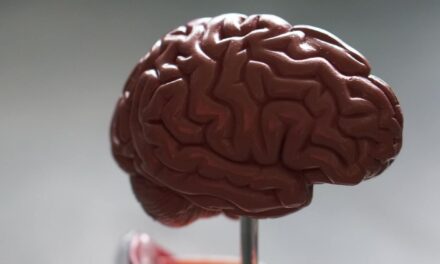
Abnormalities in the brain’s reward system – particularly involving dopamine and serotonin – may lead to the compulsive behaviours seen in both conditions. Individuals with eating disorders may experience altered brain activity in regions involved in food intake, body image perception and emotional regulation. These brain dysfunctions are also linked to addiction, especially in how substances can act as a reward or mood-altering mechanism. Neuroimaging studies show significant similarities in the brain activity of individuals with either condition, suggesting a common neurobiological vulnerability to both eating disorders and substance abuse.
Treatment strategies targeting these brain circuits are frequently used, such as cognitive behavioural therapy (CBT) which explores the links between thoughts, emotions and behaviour. CBT is a directive, time-limited, structured approach aiming to reduce distress by helping patients develop more adaptive thoughts and behaviours (Fenn & Byrne, 2013). This is the most extensively researched and empirically supported psychotherapeutic method, reflected in clinical guidelines which recommend it as a treatment for many common mental health disorders. Alternatively, pharmacotherapy, which uses one or more medications to help alleviate symptoms, is proposed as an effective alternative.
In particular, we emphasise the high comorbidity between these two conditions, with many individuals with eating disorders also struggling with addiction. Both disorders affect the same brain circuits involved in reward, self-regulation and coping mechanisms, and both share traits of compulsivity, impulsivity and poor impulse control. People with EDs often show behaviours like binge eating or purging, which can mimic patterns seen in addiction such as binge drinking or compulsive drug use.
How can eating disorders and substance use disorders predict and impact each other?
Many studies have researched the comorbidity between eating disorders and alcohol use disorders (AUDs), showing that eating disorders have a greater influence on alcohol use disorders than vice versa.
Franko et al.’s (2005) study revealed prevalence and onset patterns between women with EDs and AUDs. The study examined women with anorexia nervosa (n=136) and women with bulimia nervosa (n=110), with 25% of the overall population having a lifetime history of AUD. The study observed participants for a period of 8.6 years, assessing them every 6-12 months. During the course of the study, 10% of the women developed AUD (Franko et al., 2005).
Furthermore, a multicentre study conducted by Bulik et al. (2004) studied 97 women with lifetime AN only, 282 women with lifetime BN only, and 293 women with both lifetime AN and BN or AN with binge eating disorder (ANBN). The results showed that AUDs were more prevalent in the women with ANBN or BN and less in women with only AN (Bulik et al., 2004). Similarly, Holderness et al. (1994) showed that women with ANBN report more substance use and abuse than women with restrictive AN. When Beary et al. (1986) compared 20 alcoholic women with 20 age-matched BN patients, they founmd that 35% of alcoholic women had a previous major ED and 50% of BN patients had abused (40%) or used alcohol to excess (10%). It was also concluded that the risk of alcoholism increased with age and appeared years after onset of BN, increasing by 50% after age 35 in women with BN (Beary et al., 1986).
Similarities have also been found between BED and SUD. Both disorders share compulsive engagement, tolerance, neurobiology, impulsivity, secrecy, emotional dysregulation and sociocultural influences (Schreiber et al., 2013). The study showed a clear comorbidity between BED and SUD: 24.8% of BED patients experienced lifetime SUD, and 2.7% patients with BED experienced current SUD (Schreiber et al., 2013). BED and SUD share neurobiological underpinnings, leading them to have a stronger comorbidity; both disorders have shared dysfunction in orbitofrontal/prefrontal cortex and dopaminergic and opioid pathways, as well as genetic polymorphisms such as OPRMI or DRD2 (Schreiber et al., 2013).
The relationship between SUDs and EDs can lead to predictions on the type of SUD developed in women with a certain type of ED. Franko et al. (2005) demonstrated predictors of AUD in women with EDs, and more particularly in women with AN. The study displayed that poor psychological functioning and history of substance abuse in women with EDs did predict the development of AUD (Franko et al., 2005). It has also been shown that certain ED symptoms are predictive of a specific substance abuse. According to Wiederman and Pryor (1996), calorie restriction predicted amphetamine use, binge eating predicted tranquiliser use and purging predicted alcohol, cocaine and cigarette use. The same study also showed that the type of ED also impacts the risk of developing SUD. It found that patients with BN are more likely to engage in substance use/abuse than patients with AN, and that binge eating and/or purging may indicate higher likelihood of substance use (Wiederman & Pryor, 1996).
Personality and psychological profiles can also act as predictors. In Bulik et al.’s (2004) multicentre study, participants’ personal characteristics were assessed by the Multidimensional Perfectionism Scale, the Temperament and Character Inventory, and the Barratt Impulsivity Scale. Here, AUDs were associated with major depressive episodes, a range of anxiety disorders, cluster B personality disorder symptoms and personality profiles marked by impulsivity and perfectionism (Bulik et al., 2004). The women in the study with both EDs and AUDs exhibited phenotypic profiles characterised by anxious, perfectionist traits and impulsive, dramatic dispositions. These traits show the pattern of control and discontrol shown in this comorbid profile.
The shared characteristics of the two addictions show that successful recovery of AUD in ex-ED patients can be informed by the type of ED a patient suffers from. Franko et al. (2005) showed that AUD patients with past or current AN benefitted most from group therapy and hospitalisation for recovery, while AUD patients with past or current BN benefitted more from individual therapy and exercise.
Treating Addiction and Eating Disorders
Addiction and eating disorders are complex conditions that often intersect, leading to significant challenges in diagnosis and treatment. This section explores the intricate relationship between addiction and eating disorders to propose a multidisciplinary approach to treatment which considers all contributing factors, including neurobiology, hormone regulation and emotional health.
The neurobiological underpinnings of addiction involve changes in brain chemistry, particularly in the reward pathways that involve neurotransmitters like dopamine. The reward system in the brain is primarily governed by the mesolimbic dopamine pathway. When an individual engages in addictive behaviours, dopamine is released, reinforcing the behaviour. Over time, the brain adapts to these surges of dopamine, leading to tolerance and withdrawal symptoms, which compel the individual to continue the behaviour, despite negative outcomes. Similarly, the neurobiology of eating disorders also involves the brain’s reward system, but with a different focus. Research has shown that individuals with eating disorders may have altered dopamine signalling, which can affect their response to food and reward. For example, the anticipation of food can trigger a dopamine release, similar to the anticipation of drugs in addicted individuals.
Insulin is a hormone produced by the pancreas that plays a critical role in glucose metabolism and energy regulation. It is also implicated in the regulation of appetite and food intake. In individuals with insulin resistance or metabolic syndrome, there can be a dysregulation of hunger signals, which may contribute to disordered eating behaviours. Research indicates that insulin resistance may be more prevalent in individuals with eating disorders, particularly in those with BED (Krebs & Fuchs, 2020). This resistance can lead to increased cravings for high-calorie foods, perpetuating a cycle of bingeing and subsequent feelings of guilt or shame. Ozempic (semaglutide) is a medication primarily used to manage type 2 diabetes and, more recently, for weight management. It mimics the action of the glucagon-like peptide-1 (GLP-1) hormone, which helps regulate appetite and insulin secretion (Bartel et al., 2023; Gorban et al., 2024). Ozempic has gained attention for its effectiveness in promoting weight loss in individuals with obesity. By enhancing satiety and reducing hunger, it can help individuals achieve healthier eating patterns. However, its use in individuals with a history of eating disorders raises concerns about potential misuse or exacerbation of disordered eating behaviours; for instance, the desire for continued weight loss may lead individuals to misuse Ozempic, similar to how individuals with substance use disorders may misuse medications. The intersection of addiction and eating disorders necessitates a comprehensive approach to treatment. Integrated treatment models that address both conditions simultaneously can be more effective than treating them in isolation.
Additionally, we cannot ignore the role of trauma and adverse childhood experiences (ACEs) in both disorders, as these often serve as triggers for harmful coping mechanisms. EDs and addictions are often similar in their origin and involve factors such as:
- Genetics: A person’s biological makeup can play a role in the development of addictions and eating disorders, as predispositions can be passed down from parent to child.
- Environmental: Popular culture often glorifies extreme thinness and excessive alcohol consumption. These cultural messages can significantly affect the development of addiction and eating disorders. Peer pressure and the desire to fit in can also be a powerful environmental trigger, particularly in young adults.
- Emotional and physical trauma: Left untreated, past emotional and physical traumas can significantly influence present substance or food issues. Eating disorders and addiction are typically symptoms of a much deeper issue.
- Emotional health: Suffering from any untreated mental illness, such as depression, anxiety or post-traumatic stress disorder, can make a person more vulnerable to developing an addiction or eating disorder.
We propose a holistic treatment approach that emphasises addressing underlying trauma, neurobiological factors, behavioural patterns and emotional dysregulation. There is also a need for integrated treatment approaches that address both the physical and psychological aspects of both disorders simultaneously. Integrated treatment programmes, specialising in dual diagnosis or co-occurring disorders, have proven to be effective, recognising the interconnected nature of these two conditions. A multidisciplinary approach is highly recommended; this involves a team of professionals, such as physicians, therapists, nutritionists and addiction specialists, to provide patients with personalised treatment and coordinated care to meet the complex needs of individuals with a dual diagnosis. This approach may include:
- Psychotherapy: Cognitive behavioural therapy has been shown to be effective for both addiction and eating disorders.
- Nutritional counselling: Addressing disordered eating patterns and promoting healthy eating behaviours.
- Medication management: Carefully monitoring the use of medications like Ozempic, especially in individuals with a history of eating disorders.
Ongoing monitoring and support are crucial in managing individuals with co-occurring conditions. Support groups, therapy and regular medical check-ups can help individuals navigate their recovery journey.
Conclusion
The relationship between addiction and eating disorders is complex and multifaceted, influenced by a variety of biological, psychological and social factors. Medications like Ozempic and the role of insulin highlight the intricate interplay between these conditions. Understanding this relationship is essential for developing effective treatment strategies that address the unique needs of individuals struggling with both addiction and eating disorders. By adopting a multidisciplinary approach, healthcare providers can offer comprehensive care that promotes recovery and improves overall wellbeing.
Bibliography
American Psychiatric Association (2013). Diagnostic and Statistical Manual of Mental Disorders (5th ed.), Arlington, VA.
Bartel, S., McElroy, S.L., Levangie, D. & Keshen, A. (2023) Use of glucagon-like peptide-1 receptor agonists in eating disorder populations, International Journal of Eating Disorders, 57(2), pp. 286-293.
Brisman, J. & Siegel, M. (1984). Bulimia and alcoholism: Two sides of the same coin?, Journal of Substance Abuse Treatment, 1(2), pp. 113-118.
Brown, S. (2025). The Link Between Eating Disorders and Addiction, Cumberland Heights [online]. <https://cumberlandheights.org/resources/blog/the-link-between-eating-disorders-and-addiction/>
Bulik, C.M., Klump, K.L., Thornton, L., et al. (2004). Alcohol Use Disorder Comorbidity in Eating Disorders: A Multicenter Study, The Journal of Clinical Psychology, 65(7), pp. 1000-1006.
Corte, C. & Stein, K.F. (2000). Eating disorders and substance use: An examination of behavioral associations, Eating Behaviors, 1(2), pp. 173–189.
Farr, O.M., Li, C.-S. R. & Mantzoros, C.S. (2016). Central nervous system regulation of eating: Insights from human brain imaging, Metabolism, 65(5), pp. 699–713.
Fenn, K. & Byrne, M. (2013). The key principles of cognitive behavioural therapy, InnovAiT: Education and inspiration for general practice, 6(9).
Franko, D.L., Dorer, D.J., Keel, P.K., et al. (2005). How do eating disorders and alcohol use disorder influence each other?, International Journal of Eating Disorders, 38(3), pp. 200-207.
Ganson, K.T., Testa, A., Lavendar, J.M. & Nagata, J.M. (2025). Prescription weight loss medication use and eating disorder psychology among adolescent boys and young men from Canada and the United States, Eating Behaviors, 58, 102013.
Garry, J.P., Morrissey, S.L. & Whetstone, L.M. (2002). Substance use and weight loss tactics among middle school youth, International Journal of Eating Disorders, 33(1), pp. 55-63.
Gorban, V.V., Arzumanyan, A., Kostyulina, M.Y., et al. (2024). Semaglutide: effects on eating behavior, Meditsinskiy Sovet, 18(13), pp. 115-122.
Hardy, R., Fani, N., Jovanovic, T. & Michopoulos, V. (2019). Food Addiction and Substance Addiction in Women: Common Clinical Characteristics, Appetite, 120, pp. 367-373.
Holderness, C.C., Brooks-Gunn, J. & Warren, M.P. (1994). Co-morbidity of eating disorders and substance abuse review of the literature, International Journal of Eating Disorders, 16(1), pp. 1-34.
Kinzl, J. F. & Biebl, W. (2010). Are eating disorders addictions?, Neuropsychiatrie: Klinik, Diagnostik, Therapie und Rehabilitation, 24(3), pp. 200–208.
Krahn, D.D. (1991). The relationship of eating disorders and substance abuse, Journal of Substance Abuse, 3(2), pp. 239-253.
Krebs, J.M. & Fuchs, S. (2020). The role of insulin in eating disorders: A review, Journal of Eating Disorders, 8(1), pp. 1-10.
Kreek, M.J., LaForge, K.S., & Butelman, E. (2002). Pharmacotherapy of addictions, Nature Reviews Drug Discovery, 1, pp. 710–726.
National Institute on Drug Abuse (2020). Drug Misuse and Addiction, Drugs, Brains, and Behavior: The Science of Addiction [online]. <https://nida.nih.gov/publications/drugs-brains-behavior-science-addiction/drug-misuse-addiction>
Schreiber, L.R.N., Odlaug, B.L. & Grant, J.E. (2013). The overlap between binge eating disorder and substance use disorders: Diagnosis and neurobiology, J Behav Addict, 2(4), pp. 191-198.
Sharp, G., Girolamo, T., Hay, P., et al. (2023). New anti-obesity medications: Considerations and future directions in people with concurrent eating disorders, Australian Journal of General Practice, 52(9).
Trepanowski, J.F. & Bloomer, R.J.(2010). The impact of religious fasting on human health, Nutrition Journal, 9(1), 57.
Wiederman, M.W. & Pryor, T. (1996). Substance use among women with eating disorders, International Journal of Eating Disorders, 20(2), pp. 163-168.
Wilson, G.T. (1991). The addiction model of eating disorders: A critical analysis, Behaviour Research and Therapy, 13(1), pp. 27–72.