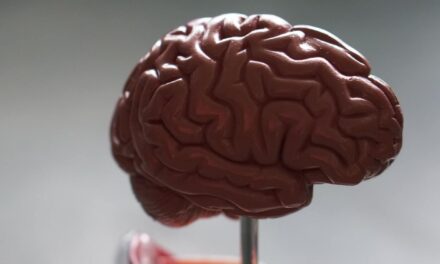
Introduction
Addiction is a chronic psychological disorder which involves many neural pathways in the brain. It is characterised by compulsive drug seeking and continued substance abuse, even if there are negative consequences. Contrary to popular belief, addiction does not result from dysfunction within a brain region, but rather progressive alterations to the neuronal pathways such as the mesolimbic pathway and the mesocortical pathway (Koob & Le Moal, 1997). The mesocortical pathway regulates cognitive control over reward-based behaviours developed through addiction (Feltenstein & See, 2009), while the mesolimbic pathway converts biologically/psychologically salient events into motivation, cue learning and ultimately compulsive wanting.
The mesolimbic pathway involves many regions of the brain, such as the prefrontal cortex (PFC), a subregion of the brain that helps manage thinking, emotions, behaviour and memory (Clinic, 2025). It is located behind the forehead and contains roughly 8% of the brain’s total neurons (Gabi et al., 2016). While differences in sex can impact how the prefrontal cortex develops, experiences (specifically during adolescence) are commonly regarded as the most instrumental factor in its anomalies (Sussman, Lisha & Griffiths, 2010). Additionally, neural circuitry, neurochemistry and molecular profiles all change during life and can alter how the prefrontal cortex responds to environmental stressors and stimuli (McEwen & Morrison, 2013).
Another brain region also involved in the mesolimbic pathway is the amygdala. The amygdala is a small part of the brain; it possesses a crucial role in the processing of emotions and is particularly involved in stress, anxiety and emotional responses to environmental stimuli. Furthermore, it contributes to unconscious memories and learning through rewards and punishment by attaching emotional significance to specific experiences (Cleveland Clinic, 2023). The amygdala also interacts with other regions such as the prefrontal cortex and hippocampus to regulate behaviour and emotions. The extended amygdala is a macrostructure made of the central nucleus of the amygdala (CeA), bed nucleus of the stria terminalis (BNST) and nucleus accumbens (NAc), which regulates negative emotions, stress and motivation (ScienceDirect, n.d.).
Finally, two of the most important contributing brain regions in the mesolimbic pathway are the striatum and the nucleus accumbens.
The striatum consists of the dorsal and ventral striatum and is the largest structure of the subcortical basal ganglia; it receives input from a variety of brain regions (e.g., the prefrontal cortex and ventral tegmental area) to guide behavioural output, including motor planning, decision-making, motivation and reward. It is specifically necessary for motor function and forming behavioural habits (Gerdeman et al., 2003; Yager et al., 2015). When the brain is exposed to addictive drugs, this can cause changes to the structure of the striatum and cause synaptic plasticity (the ability of synapses to grow stronger/weaker), which, in the ventral striatum, may play a role in early drug use and, in the dorsal striatum, could contribute to long-term habits in compulsive drug use and addiction (Gerdeman et al., 2003; Grueter, Rothwell & Malenka, 2012).
The nucleus accumbens is a region of the brain’s reward system that plays an important role in motivation, reinforcement and reward-related behaviours (Koob & Volkow, 2016). It is strongly involved in addiction because repeated exposure to addictive substances can alter how the NAc responds to rewarding stimuli (Nestler, 2005). These changes contribute to the development and persistence of addictive behaviours, making the nucleus accumbens an important area for understanding the neural mechanisms underlying addiction (Hyman et al., 2006).
Mesolimbic Pathway
The mesolimbic pathway is one of the major dopamine pathways in the central nervous system and serves as the core neural substrate for reward processing, motivation and reinforcement learning (Wise, 2004; Berridge & Kringelbach, 2015). It originates in the ventral tegmental area (VTA) of the midbrain and projects primarily to the nucleus accumbens in the ventral striatum, along with additional targets in the limbic system (Ikemoto, 2007; Russo & Nestler, 2013). The name “mesolimbic” reflects its origin in the mesencephalon and its targets in the limbic forebrain (Koob & Volkow, 2010).
Glutamate and dopamine have a large role in the mesolimbic pathway because they cause the brain to understand which cues are associated with a reward. Dopamine and glutamate project from the VTA, with dopamine regulating glutamate signalling in the NAc (Tzschentke & Schmidt, 2003). Glutamate is a neurotransmitter which, in the mesolimbic pathway, inputs convey information about reward-associated cues. The addictive behaviour causes a spike of dopamine, which is involved in reinforcement learning and increases salience associated with the cue. The glutamate and dopamine work together to communicate how important a specific cue is to the addictive behaviour. This is extremely important because this circuit can strengthen over time with repetition; therefore, the brain learns to predict the reward from the cue (Robinson et al., 2014) even if a dopamine spike is not present, causing compulsive behaviour towards the drug even if no real pleasure derives from it.
AMYGDALA
The amygdala helps attach emotional significance to cues associated with an addictive behaviour; where said behaviour has been rewarding, the cues can be visual (pictures), auditory (listening to scripts/music), audiovisual, tactile/haptic, olfactory or gustatory (smelling or tasting) (Jasinska et al., 2014). These cues trigger emotions and memories regarding the drug, causing a “craving”. Repeated exposure to drug-associated cues can cause the person to indulge in drug-seeking behaviour as it reactivates learnt emotional and motivational associations. With repeated drug abuse, the cues become more provocative since the amygdala interacts with the reward system (mesocorticolimbic), creating an incentive salience (Warlow & Berridge, 2021). Through neuroplasticity, drug abuse heightens neural circuits involved in the amygdala, which furthers the incentive salience, increasing drug-seeking behaviour (Roland et al., 2023). The amygdala also contains specialised neurons that synthesise corticotropin-releasing factor (CRF), a peptide neurohormone that triggers the hypothalamic-pituitary-adrenal (HPA) axis, which controls the body’s reaction to stress (Koob, 2009). During dependence, drug use dampens the CRF manifestation in the amygdala, leading in a slowed HPA response, which decreases the stress felt while using (Logrip, Koob & Zorrilla, 2011). However, during withdrawal, CRF signalling in the extended amygdala, particularly the BNST and the CeA, increases due to the changes to CRF-containing neural circuits. This neuroadaptation emphasises post-acute withdrawal symptoms (PAWS) such as anger, anxiety, stress, guilt and tension (Zorrilla, Logrip & Koob, 2014).
STRIATUM AND PRE-FRONTAL CORTEX
The striatum is a key component in reward learning, motivation, action selection and habit formation. These normal learning mechanisms can be disrupted by addictive substances, which in the context of addiction can strengthen the drug-seeking behaviour, with the effect that the initial substance use, which was recreational, develops into an addiction. In the first stages of addiction, also known as the binge/intoxication stage, ventral striatum plasticity increases the strength of associations between the drug and its effects (Koob & Volkow, 2010). Addictive drugs cause a substantial increase in dopamine levels in the mesolimbic pathway, which can influence learning and motivate behaviour (Pardue, 2023). With repeated drug use, control of drug-seeking behaviour shifts from the ventral striatum, which is more involved with rewards and motivation, to the dorsal striatum, which is more related to habits and automatic behaviours (Everitt et al., 2008). While people may initially take drugs for their pleasurable and rewarding effect, repeated drug exposure can strengthen dorsal-striatal circuits, causing drug-seeking behaviour to become more automatic and compulsive (Lüscher & Malenka, 2011). These neurological changes in circuits demonstrate that addiction is not merely a cognitive disorder, but that there are some physical aspects to it as well.
Addiction is defined as a disease of maladaptive neuroplasticity, meaning that the brain changes both structurally and functionally in ways that reinforce compulsive behaviour (O’Brien, 2009). In the prefrontal cortex specifically, this process can be easily highlighted. The prefrontal cortex holds numerous responsibilities when it comes to cognitive function, but it also drives dopamine regions to initiate motivated behaviour (Ballard et al., 2011). This process is influenced by top-down control (goal-driven processing and contextual interpretation) and is weakened significantly throughout the three stages of addiction: binge/intoxication, withdrawal/negative affect and preoccupation/anticipation. Simultaneously, this process also inhibits the brain’s ability to regulate bottom-up behaviours (actions driven by raw sensory rather than logic), which are oftentimes harmful to the individual (NIH, 2026; US Department of Health and Human Services, 2016). Through drug addiction, the influx of dopamine leads to hypofrontality (reduced neural activity) in the prefrontal cortex, relating to greater relapses and improper regulation of the limbic reward region (Goldstein & Volkow, 2011). This further establishes the reward circuit and damages the prefrontal cortex’s stop system, making illicit substances and addictive habits more difficult to resist (US Department of Health and Human Services, 2016). On a chemical level, the repeated firing of neurons is a result of unnatural dopamine patterns created through addictive habits and triggers chemical cascades in the brain (Olson, 2022). This biochemical process is what degrades the functionality and structure of the prefrontal cortex and is one of the factors that makes addiction incredibly dangerous.
Mesocortical Pathway
The mesocortical pathway is an important dopamine pathway arising from the VTA in the midbrain and terminating in the cortex, mainly in the PFC (Björklund & Dunnett, 2007; Seamans & Yang, 2004). It operates in concert with the mesolimbic pathway, and these two pathways together comprise the mesocorticolimbic dopamine system responsible for reward processing, motivation, executive functions and cognitive control (Russo & Nestler, 2013; Koob & Volkow, 2010). Where the mesolimbic pathway projects into limbic subcortical nuclei, such as the nucleus accumbens, the mesocortical pathway projects directly to the neocortex with dopamine innervation. The VTA is the origin of the neurons that send signals across the pathway to the prefrontal cortex — the target of the pathway. The PFC plays a major role in decision making and impulse control (Feltenstein & See, 2009). The anterior cingulate cortex (ACC), a subdivision of the prefrontal cortex, is involved in error detection, conflict monitoring and emotional regulation, while the dorsolateral prefrontal cortex (dlPFC) is involved in working memory, goal-directed behaviour and decision-making (Hayashi et al., 2013).
When drugs are used, the function of the PFC neuron’s inhibitory control becomes impaired because of disruptions in dopamine signalling. The mesocortical pathway not only drives executive control, but also plays into decision-making, emotional responses, motivation and even impulse inhibition. These functions work together to create cognitive function, but can be degraded by chemical patterns influenced by addiction. In this light, addiction is not limited to one part of the brain; these central pathways connect large parts of the nervous system and are all influenced by the reward circuit. As a result, the mesocortical pathway can reduce one’s neural competency when the reward circuit is overloaded or artificially influenced. This process is ultimately what fuels addiction, and creates a negative neuroplasticity that can be very difficult to ameliorate (Cooper, Robison & Mazei-Robison, 2017). Addiction is ultimately a chemical process driven by stimuli and the reward circuit. The mesolimbic pathway makes people crave a certain stimulus that is remembered by the brain. In this way, illicit substances and other highly addictive media create irreplaceable stimuli that the brain craves. This process is tracked by the mesolimbic pathway and makes these substances more and more tempting the longer the habit occurs. When the mesolimbic pathway is exposed to a powerful stimulus, it creates new neural pathways that change parts of the healthy pathway. They can decrease or activate parts of the brain, and even change their structure to align with a behavioural pattern. Once these neural pathways are established, breaking addictive habits becomes extremely challenging, as parts of the brain responsible for logic and regulation are oftentimes degraded by powerful cravings (Feltenstein & See, 2009). When a cue activates the reward/motivation circuit, it can trigger craving. In a healthy brain, the PFC would stop the person from indulging in the craving through top-down control; however, addiction-caused PFC dysfunction can weaken this inhibitory control, therefore increasing the likelihood of relapse. When the brain craves dopamine, it activates the neural circuit related to a dopamine inducing habit. For the healthy brain, this process can be widely beneficial; however, for those struggling with addiction, this can create unwanted stimulus through simple everyday behaviours. Consequently, neural pathways devoted to addictive behaviours grow stronger, and eventually overpower the brain’s ability to make logical, controlled decisions.
The mesolimbic pathway also activates when exposed to an environmental cue that is associated with the addictive behaviour (e.g., a notification sound). An environmental cue should be nothing but an external stimulus, but in the mesocortical pathway it acts as a trigger to repeat the addictive behaviour through associative learning (Veissière & Stendel, 2018.) This is due to the fact that the brain learns to predict the reward because of the cue, which has previously led to the positive reward. Chronic substance use causes a loss of top-down control as it dysregulates the mesocortical pathway and weakens the PFC’s ability to inhibit impulses and cravings. This decreases the person’s ability to regulate their intake of drugs and may make it more difficult for them to abstain from drug use, as people with elevated top-down control are more able to quit drugs such as nicotine (Nestor et al., 2011).
Previous research focused on the midbrain dopamine areas and their impact on addiction; however, more recent studies have shown the important role that the PFC plays in the development of addiction due to its role in suppressing impulses and cravings (Goldstein and Volkow, 2011). The mesocortical pathway drives goal-oriented behaviour by providing the brain with the executive control, focus and cost-benefit calculations needed to plan and execute actions to gain long-term rewards. The prefrontal cortex uses dopamine input to manage working memory and attention in order to keep focused on a specific task and dampens distractions to allow the brain to work towards delayed gratification tasks. The mesocortical tract also develops through late adolescence and early adulthood. The connection between ventral tegmentum and prefrontal cortex continues, while dopamine innervations increase until adulthood. Through this stage, dopamine communication and actions become more fine-tuned and support the development of greater efficiency in the prefrontal cortex’s regulation of cognitive functions (Peters & Naneix, 2022). This development aids in improving skills such as decision-making, attention, planning and emotional regulation. This has consequences on addiction susceptibility since the development of impulse and reward control may predispose teenagers to addictions. According to current research, the mesocortical pathway represents one of the latest developing dopamine pathways and thus is significant in the transition from adolescence to adulthood, and the further development of this brain region is crucial in addiction susceptibility (Reynolds & Flores, 2021).
Discussion
There are common features in the mesolimbic and mesocortical dopamine systems that indicate a coordinated function of both. For example, the origin of the two pathways is the VTA of the midbrain, which projects onto the forebrain regions responsible for reward-related processes, goal-oriented behaviour and cognitive regulation. Dopamine release in both pathways is achieved by common ways, namely, the phasic burst of neuron firing upon stimulation and tonic control by autoreceptors and reuptake transporters. Additionally, both dopamine pathways receive a lot of glutamatergic projections from the prefrontal cortex and limbic brain areas, providing a possibility to dynamically regulate dopamine signalling in the context of experience. All those features point to the fact that the mesolimbic and mesocortical dopamine pathways are not working separately but together as one circuit translating the motivational salience into behavioural output. Disruption of any of the pathways leads to similar results, such as impaired reward learning, impulsiveness and attentional problems characteristic of schizophrenia and addictive behaviours.
While the mesolimbic and mesocortical pathways work cohesively, they are not exactly the same. From an anatomical perspective, the mesolimbic pathway projects from the ventral tegmental area to several regions of the brain, including the nucleus accumbens as well as the amygdala and hippocampus. The mesocortical pathway, by contrast, projects from the VTA solely to the frontal and prefrontal cortex. These pathways are also independent in their biological function, firing at different weights depending on the environment and external stimuli. For instance, the mesolimbic pathway is centralised around rewards and cravings. It recognises dopamine patterns and denotes incentive salience to pleasurable behaviours. When a dopamine-rich activity is performed, neurons fire in the VTA, correlating with a release of dopamine in the nucleus accumbens. In part, this circuit is the root of cravings, and the extent to which those cravings are felt can be dependent on both the behaviour itself and the frequency it is performed. The mesocortical pathway, on the other hand, manages higher-level thinking and is significantly associated with logic. Through the lens of addiction, the differences between these two pathways are highlighted. The influx of dopamine often develops the mesolimbic pathway while impairing the mesocortical pathway. This process, a byproduct of synaptic plasticity, leads to long-term potentiation (the strengthening of neural connections) in the mesolimbic pathway, while the mesocortical pathway experiences long-term depression (the weakening of neural connections) and hypoactivity. In patients who struggle with substance use disorder (SUD) or other behavioural addictions, this could be seen through having extreme cravings and impulses without the ability to regulate or stop a specific stimulant.
So, the mesocortical and mesolimbic pathways are very much entwined, both in healthy individuals and those with addictive disorders. Yet, the chemical influx of dopamine derived from augmented stimulants can negatively impact synaptic plasticity, creating strong neural circuits in the brain and ultimately leading to addiction. The combination of dysfunction in both the mesolimbic and mesocortical pathways makes it extremely hard for an individual to resist drug-seeking behaviour, as they both increase reward associated with the drug and increase motivation to seek relief by taking the drug.
Conclusion
By examining the neurological reasoning behind compulsivity, withdrawal and relapse, we can gain a better understanding of the actions and negative thoughts that come with addiction. This will especially aid individuals in the future as we move away from stigma and criticism, which historically isolated and criticised those experiencing addiction.
Ultimately, by adopting this information, healthcare facilities and providers are able to give patients the best course of treatment, such as medication and behavioural therapy. In particular, behavioural therapy is able to contribute to neuroplastic changes in order for the patient to more effectively control their response to drug cues, manage stress and undergo cognitive restructuring.
Bibliography
Ballard, I.C., Murty, V.P., Carter, R.M., MacInnes, J.J., Huettel, S.A. and Adcock, R.A. (2011). Dorsolateral prefrontal cortex drives mesolimbic dopaminergic regions to initiate motivated behavior. The Journal of Neuroscience, 31(28), pp.10340–10346.
Cleveland Clinic (2023). Amygdala. [online] Cleveland Clinic. Available at: https://my.clevelandclinic.org/health/body/24894-amygdala
Cleveland Clinic (2025). Prefrontal cortex: What it is, function, location & damage. [online] Cleveland Clinic. Available at: https://my.clevelandclinic.org/health/body/prefrontal-cortex
Everitt, B.J., Belin, D., Economidou, D., Pelloux, Y., Dalley, J.W. and Robbins, T.W. (2008). Neural mechanisms underlying the vulnerability to develop compulsive drug-seeking habits and addiction. Philosophical Transactions of the Royal Society B: Biological Sciences, 363(1507), pp.3125–3135.
Feltenstein, M.W. and See, R.E. (2009). The neurocircuitry of addiction: An overview. British Journal of Pharmacology, 154(2), pp.261–274.
Gabi, M., Neves, K., Masseron, C., Ribeiro, P.F.M., Ventura-Antunes, L., Torres, L., Mota, B., Kaas, J.H. and Herculano-Houzel, S. (2016). No relative expansion of the number of prefrontal neurons in primate and human evolution. Proceedings of the National Academy of Sciences, 113(34), pp.9617–9622.
Gerdeman, G.L., Partridge, J.G., Lupica, C.R. and Lovinger, D.M. (2003). It could be habit forming: Drugs of abuse and striatal synaptic plasticity. Trends in Neurosciences, 26(4), pp.184–192.
Goldstein, R.Z. and Volkow, N.D. (2011). Dysfunction of the prefrontal cortex in addiction: Neuroimaging findings and clinical implications. Nature Reviews Neuroscience, 12(11), pp.652–669.
Grueter, B.A., Rothwell, P.E. and Malenka, R.C. (2012). Integrating synaptic plasticity and striatal circuit function in addiction. Current Opinion in Neurobiology, 22(3), pp.545–551.
Hayashi, T., Ko, J.H., Strafella, A.P. and Dagher, A. (2013). Dorsolateral prefrontal and orbitofrontal cortex interactions during self-control of cigarette craving. Proceedings of the National Academy of Sciences of the United States of America, 110(11), pp.4422–7.
Jasinska, A.J., Stein, E.A., Kaiser, J., Naumer, M.J. and Yalachkov, Y. (2014). Factors modulating neural reactivity to drug cues in addiction: A survey of human neuroimaging studies. Neuroscience & Biobehavioral Reviews, 38, pp.1–16.
Koob, G.F. (2009). Brain stress systems in the amygdala and addiction. Brain Research, 1293, pp.61–75.
Koob, G.F. and Volkow, N. D (2010). Neurocircuitry of Addiction. Neuropsychopharmacology, 35(1), pp.217–238.
Leong, K.-C., Cox, S., King, C., Becker, H., & Reichel, C. M. (2018). Oxytocin and rodent models of addiction. International Review of Neurobiology, 140, 201–247.
Logrip, M.L., Koob, G.F. and Zorrilla, E.P. (2011). Role of corticotropin-releasing factor in drug addiction: Potential for pharmacological intervention. CNS Drugs, 25(4), pp.271–287.
Lüscher, C. and Malenka, R.C. (2011). Drug-evoked synaptic plasticity in addiction: From molecular changes to circuit remodeling. Neuron, 69(4), pp.650–663.
Malik, R., Li, Y., Schamiloglu, S. and Sohal, V.S. (2023). Top-down control of hippocampal signal-to-noise by prefrontal long-range inhibition. Cell, 185(9), pp.1602-1617.
McEwen, B.S. and Morrison, J.H. (2013). The brain on stress: Vulnerability and plasticity of the prefrontal cortex over the life course. Neuron, 79(1), pp.16–29.
National Institute on Drug Abuse (2020). Treatment and recovery. [online] National Institute on Drug Abuse. Available at: https://nida.nih.gov/publications/drugs-brains-behavior-science-addiction/treatment-recovery
Nestor, L., McCabe, E., Jones, J., Clancy, L. and Garavan, H. (2011). Differences in “bottom-up” and “top-down” neural activity in current and former cigarette smokers: Evidence for neural substrates which may promote nicotine abstinence through increased cognitive control. NeuroImage, 56(4), pp.2258–2275.
O’Brien, C.P. (2009). Neuroplasticity in addictive disorders. Neurotoxicity and Neuroprotection, 11(3), pp.350–353.
Olson, D.E. (2022). Biochemical mechanisms underlying psychedelic-induced neuroplasticity. Biochemistry, 61(3), pp.127–136.
Pardue, M. (2023). Exploring the role of dopamine pathways in motivation and addiction. J Cogn Neurosci, 6(2):140.
Reynolds, L.M. and Flores, C. (2021). MESOCORTICOLIMBIC dopamine pathways across adolescence: Diversity in development. Frontiers in Neural Circuits, 15.
Roland, A.V., Coelho, C.A.O., Haun, H.L., Gianessi, C.A., Lopez, M.F., D’Ambrosio, S., Machinski, S.N., Kroenke, C.D., Frankland, P.W., Becker, H.C. and Kash, T.L. (2023). Alcohol dependence modifies brain networks activated during withdrawal and reaccess: A c-Fos–based analysis in mice. Biological Psychiatry.
Science Direct (n.d.). Extended amygdala – an overview. [online] Science Direct. Available at: https://www.sciencedirect.com/topics/veterinary-science-and-veterinary-medicine/extended-amygdala
US Department of Health and Human Services (2016). The neurobiology of substance use, misuse, and addiction. NIH.
Veissière, S. P. L., & Stendel, M. (2018). Hypernatural monitoring: A social rehearsal account of smartphone addiction. Frontiers in Psychology, 9.
Volkow, N. D., Wang, G.-J., Fowler, J. S., & Tomasi, D. (2012). Addiction circuitry in the human brain. Annual Review of Pharmacology and Toxicology, 52(1), 321–336.
Warlow, S.M. and Berridge, K.C. (2021). Incentive motivation: ‘Wanting’ roles of central amygdala circuitry. Behavioural Brain Research, 411, p.113376.
Yager, L.M., Garcia, A.F., Wunsch, A.M. and Ferguson, S.M. (2015). The ins and outs of the striatum: Role in drug addiction. Neuroscience, 301, pp.529–541.
Zorrilla, E.P., Logrip, M.L. and Koob, G.F. (2014). Corticotropin releasing factor: A key role in the neurobiology of addiction. Frontiers in Neuroendocrinology, 35(2), pp.234–244.